Ayotte suggests leasing surplus state land for housing
Gov. Kelly Ayotte suggests leasing surplus state land for residential development to help curb New Hampshire's housing shortage and attract more workers to the state.
While on the stump, John Lynch, the Democratic gubernatorial hopeful, has taken to telling voters an anecdote from four years ago.
When he was being interviewed for a spot on the University System of New Hampshire board of trustees, he was asked what was the last book he had read. His answer — “Harry Potter and the Sorcerer’s Stone” – is being cast as an attempt to show himself as a family man and regular Joe, or John, as the case may be.
So what’s the last book he read four years later? According to Lynch spokesperson Pam Walsh, it wasn’t Jim Lichtman’s “What Do You Stand For? Stories About Principles That Matter.” It was “The Da Vinci Code.”
Sounds suspiciously politically correct to us – another popular best seller, written this time by a New Hampshire resident of all things.
“No,” said Walsh. “He really did read it.”
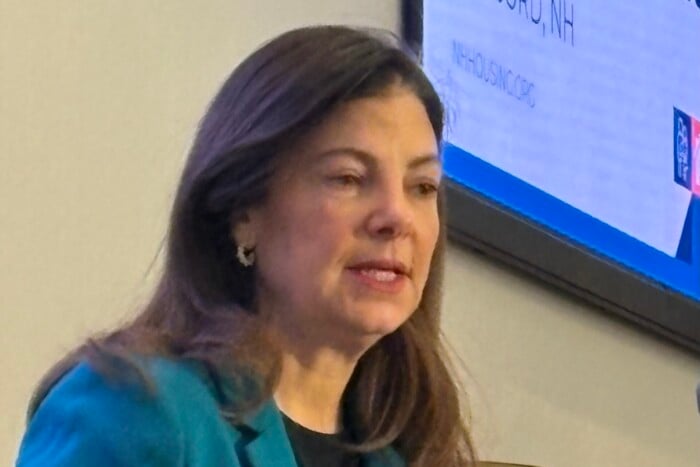
Gov. Kelly Ayotte suggests leasing surplus state land for residential development to help curb New Hampshire's housing shortage and attract more workers to the state.
Wilmington Trust's Meghan Shue talks macro economic and investment strategy trends in today's current climate

Check out photos from the 2026 BOB Awards celebration, which was held on Thursday, March 12, 2026 at the Grappone Conference Center in Concord.
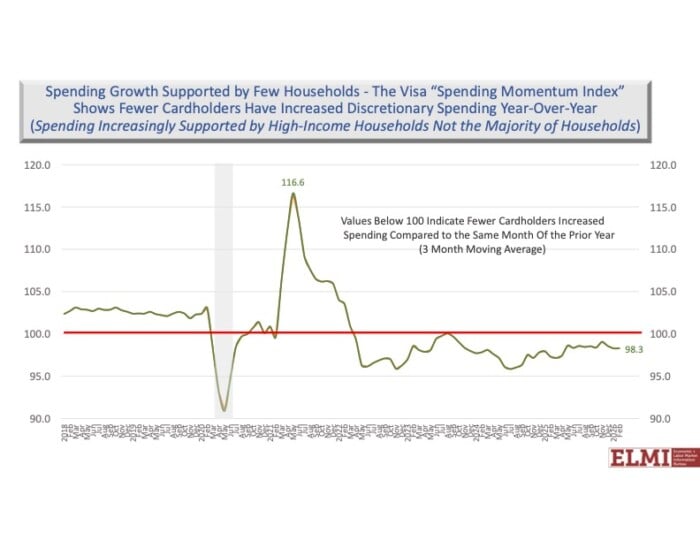
A key New Hampshire economist has trimmed down to 2.2% his forecast for the growth in the state's economy this for 2026, citing lackluster consumer confidence and the uncertainty of the U.S. war against Iran.
A roundup of news updates from public companies in NH and nationwide

NH Business Review's biweekly snapshot of business and industry statistics

Business and event happenings around the state of NH

The Latest is a roundup of the comings and goings of the movers and shakers in NH's business community
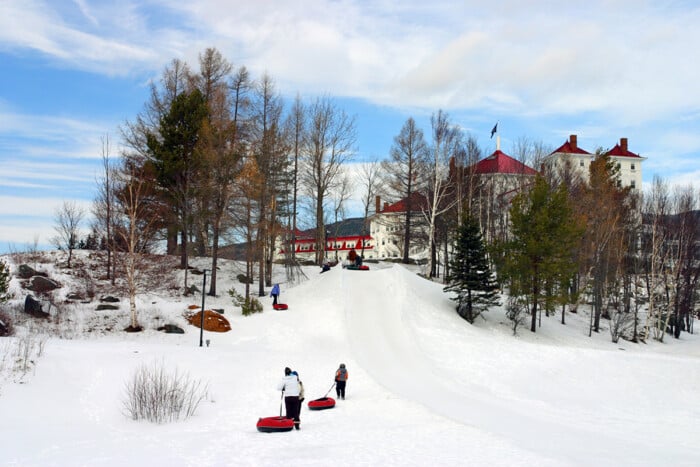
The U.S. Department of Commerce’s Bureau of Economic Analysis (BEA) earlier this month released its latest Outdoor Recreation Satellite Account data, reaffirming outdoor recreation as a major driver of New Hampshire’s economy and a significant contributor nationwide.