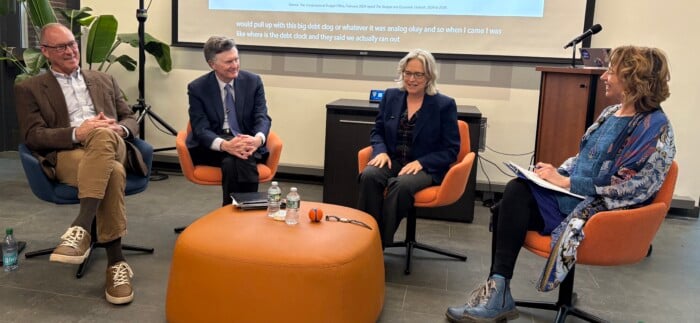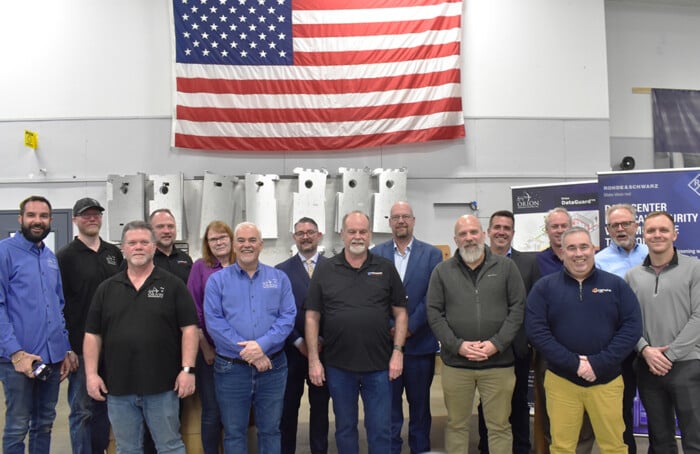
2026 BOB Awards Party Photos
Check out photos from the 2026 BOB Awards celebration, which was held on Thursday, March 12, 2026 at the Grappone Conference Center in Concord.
Sections
Extras
Connect With Us
What now? That’s up to you.A great rising in the streets against the intolerable may catalyze healing change and basic reform. Or it may be met by further repression, the club, the gun and mass arrests.As a longtime Clamshell Alliance nonviolent activist, now energy consultant and writer, I’ll offer a few principles to help inform your shaping of the modes of healing change.Business as usual in not only unfair and unjust, it is unsustainable.We are on the path to global ecological and economic collapse. If we do not alter this path, we face a future defined by climate change, resource wars, crop failure, collapsing fisheries, depleted aquifers, famine, epidemics, failed states, and mass migration of the desperate.In response to this fundamental threat, economic growth must mean ecological improvement, not ecological destruction. We cannot continue down the current path toward catastrophe and collapse. Energy, agriculture, forestry, and industry must pursue available means to reduce waste and pollution while employing sustainable techniques.There are immediate steps we can take to put to reverse the tidal wave of poison, put millions to work, and build sustainable community-based businesses. In a generation, we can build an efficient renewable resource energy system to replace fossil fuels and nuclear power. Non-polluting efficient renewable resources can heat and cool our homes, power our cars, our businesses.We can put millions to work quickly going house to house, business to business, to improve energy efficiency several fold. We can use the dollars from this river of energy waste to finance the combined efficiency-renewable resource transformation. The work can be done through mechanisms such as a feed-in-tariff, soliciting competitive bids to install a combination of efficiency and renewables, and improvements paid for by deductions from savings on your utility bill.This efficient renewable resource transformation is not a technical problem. It’s a political problem. We have the technology. There’s enormous waste and copious renewable resources. There’s capital available. We face a crisis of the imagination of business as usual.What’s needed is the government determination to put the transformation in motion.We need constructive structural adjustment.To send signals for sustainability throughout the economy we can adopt an ecological consumption tax system. We tax the bads (that is, pollution) and not the goods (that is, income). We can phase out all income taxes and phase in a smart ecological sales tax, an ecological value-added tax on all goods and services. The more polluting, depleting and ecologically damaging, the higher the tax. Sustainable goods and services will gain market share and be more profitable. Polluting goods and services will lose market share and become less profitable.Since consumption taxation is regressive, since poor people spend all income, a negative income tax for the poor can maintain tax equity.And to keep the momentum of the efficient renewable transformation, a community-based National Trust banking system, with local democratic control, can be established using tax dollars for initial capitalization. A small Tobin tax on financial transactions can raise both raise funds and control speculation. An inheritance tax on estates of millionaires can help fund the negative income tax and maintain inter-generational equity, serving as an antidote to plutocracy and rule by billionaire babies.The Occupy Wall Street movement is a fundamental challenge to bankrupt financial and political business as usual. Our futures have yet to be written. From crisis can come healing change.Roy Morrison is director of the Office for Sustainability at Southern New Hampshire University. His next book, “Sustainability and Liberation,” is forthcoming.
Check out photos from the 2026 BOB Awards celebration, which was held on Thursday, March 12, 2026 at the Grappone Conference Center in Concord.
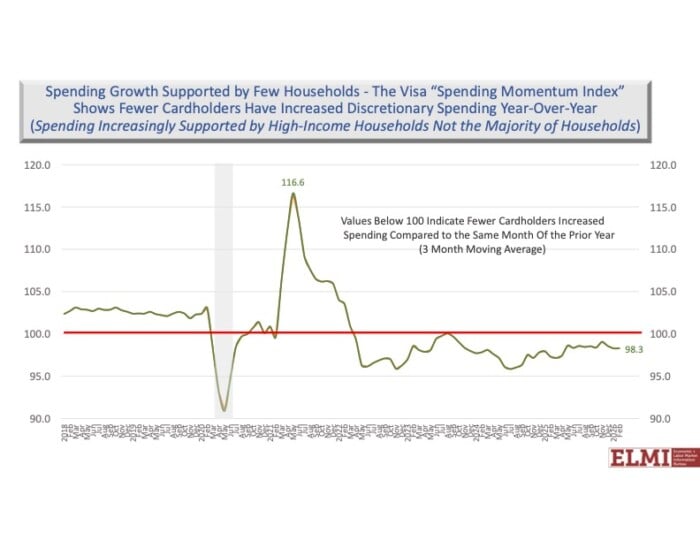
A key New Hampshire economist has trimmed down to 2.2% his forecast for the growth in the state's economy this for 2026, citing lackluster consumer confidence and the uncertainty of the U.S. war against Iran.
A roundup of news updates from public companies in NH and nationwide

NH Business Review's biweekly snapshot of business and industry statistics

Business and event happenings around the state of NH

The Latest is a roundup of the comings and goings of the movers and shakers in NH's business community

The U.S. Department of Commerce’s Bureau of Economic Analysis (BEA) earlier this month released its latest Outdoor Recreation Satellite Account data, reaffirming outdoor recreation as a major driver of New Hampshire’s economy and a significant contributor nationwide.

The NH Executive Council paused the approval of $773 million in federal spending contracts for the “GO NORTH” rural health program Wednesday, March 4, putting the brakes on a major initiative of Gov. Kelly Ayotte after councilors said the contracts were rushed and needed more scrutiny.

Employer health benefits costs are rising faster than inflation and wage growth, putting continued pressure on employer-sponsored plans. According to KFF’s 2025 Employer Health Benefits Survey, per-employee benefit costs increased 6% in 2025, with another 6.5% increase projected for 2026.