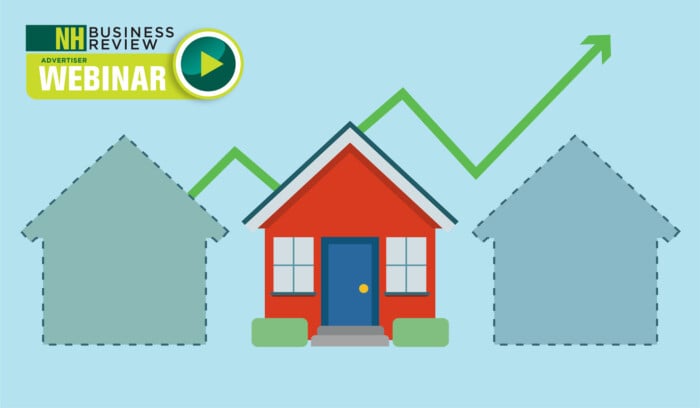
Where does home affordability go from here?
Index of affordability in New Hampshire tied for poorest showing in 2025
Sections
Extras
Connect With Us
To the editor:
The article by Michael Behrmann (“The right way to support the renewable energy industry,” Aug. 4-17 NH Business Review) could have been shortened to just the last paragraph. Eversource’s customers are slated to pay $140 million in above-market rates for the dubious 240 jobs estimated. Contrary to Behrmann’s assertion, an incentive and a subsidy are one and the same. Just ask a ratepayer who buys overpriced electricity. And the cost is slated to reach $200 million soon.
Then there is the myth of improving the forest as a result of biomass harvesting. Don’t ask a government forester about it; ask a private forester sometime when you are alone with him. The answer will curl your hair. The biomass shortage in New Hampshire is so grim that the Berlin plant will soon be buying chips from whole trees/logs that could well be used for a higher purpose.
Donald Bradley
Rye
Index of affordability in New Hampshire tied for poorest showing in 2025
New Hampshire should insist that its citizens receive surgery from properly trained surgeons by asking legislators to reject HB 349
HB 155 would cut the Business Enterprise Tax by 0.05%. On paper, that sounds “pro-business.” In reality, it’s a distraction that saves most businesses pennies while pulling an estimated $23 million out of an already strained state budget, says small business owner Jesse Lore.
As 2025 comes to an end, many Granite Staters are feeling the same things. Groceries cost more. Housing costs and property taxes are up. Health care is harder to afford and access.
How to build a stronger entrepreneurial ecosystem
Achieving financial independence — that is, living comfortably while knowing your money will last — is a goal shared by many.
Real estate transactions in New Hampshire invariably carry tax consequences. Whether you are a business owner, investor, or advisor, thoughtful tax planning is critical to preserving value and avoiding costly missteps.
Since 2020, our research team at the University of New Hampshire — the New Hampshire Youth Retention Initiative (YRI) — has been studying how young people view the Granite State as a place to live, learn and work.
The people of New Hampshire are facing unprecedented economic challenges — no one has been spared from rising grocery bills, increased rent and utility costs, and even higher car insurance premiums.