NH Business Notebook: This lung’s for you
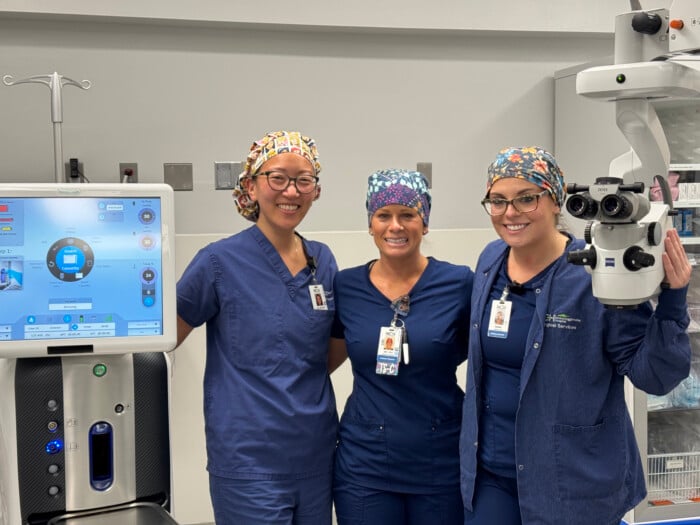
A company that is developing human lungs and other organs for transplant just bought an old brewery.

Mike Cote
Before you judge a man you’re about to write about, you might want to walk a mile in his shoes.
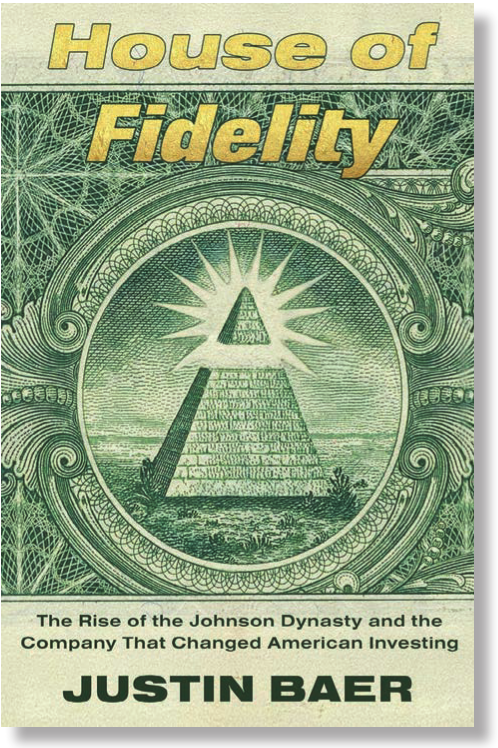
While conducting research for the book that would become “House of Fidelity,” Justin Baer visited the neighborhood streets around Beacon Hill to trace the daily path of Ned Johnson, scion of the Boston investment company’s founder.
“Before he became famous, he would walk to work,” the Wall Street Journal reporter says during an interview over lunch at Bravo in Manchester.
It’s the kind of personal detail that informs Baer’s portrait of Fidelity, founded by Edward C. Johnson II in 1946, back when investing was the realm of the wealthy. His son, Edward “Ned” Johnson III, oversaw the company from 1977 to 2014.
“I learned a lot about Ned and his childhood and the struggles that he had with what was then unknown, undiagnosed learning disabilities,” Baer says, “and why his skill set made him the ideal person to take over this company that was then entering this devastating period in the ‘70s for their business.”
While the book chronicles the rise of the Johnson family — culminating with the ascent of current CEO Abigail Johnson, Ned’s daughter — Baer’s in-depth look at the private company also presents a history of modern investing, a story peopled with characters like early Fidelity star Gerry Tsai, future name brand icon Charles Schwab and junk bond king Michael Milken.
It’s a story where Fidelity Investments plays a large part, including the company’s move to expand access to mutual funds to everyday investors in the 1970s via a call center and introduce the 401(k), now a standard retirement benefit, in the early 1980s. (Fidelity is the 401(k) vendor for Yankee Publishing Inc., the parent company of NH Business Review.)
Fidelity oversees nearly $18 trillion in assets, up 19% from the first quarter of 2025, and helps manage the life savings of one of every five American adults. It employs 80,000 people across 11 countries.
Its presence in New England includes 6,200 employees at its headquarters in Boston and 7,900 at the company’s Merrimack, NH, campus, where it’s been adding workers by the hundreds for years. (For more news about Fidelity in Merrimack, see the story on page 23.)
That ups the ante for “House of Fidelity’s audience beyond the typical market for business books. The company’s reach is wide and deep.
While the book was not authorized by Fidelity, the company was aware Baer was working on it and allowed him to license photographs. Baer interviewed more than 200 current and former Fidelity employees and people associated with the company, though in most cases they spoke on the condition they would not be identified as sources.
“I was pleasantly surprised at their interest in talking to me about it. And I think it’s because there are a lot of people that have a lot of pride in their association with the company and its success over the years,” Baer says.
Many also felt Fidelity deserved greater attention.
“I think they could see all these other companies, even within finance, get the full book treatment over the years and in some cases a small library worth of books about them, particularly maybe some of the banks and the others,” he says. “I think they felt that Fidelity was just as significant.”
Baer, whose resume includes stints at Bloomberg News and the Financial Times, didn’t set out to write an expose of the company. But he doesn’t gloss over the warts, which include the company’s first scandal back in 1969 when a senior investor named Frank Mills cut himself a sweetheart deal that led to a federal investigation — and the end of his career.
It’s the kind of story sources expected him to include.
“I think they understood that it meant going over stuff that they might cringe at that were challenges and setbacks and embarrassing moments. But they were there in service to this bigger story about the ultimate success,” Baer says.
While Baer has covered Fidelity for years, he was surprised about some of what he learned about the family’s history, including the challenges Abigail Johnson faced as a woman moving up the corporate ladder of finance, even within a family-run company. She ultimately took over as CEO in 2014, but it was not always a smooth ride for the third-generation leader.
“I was surprised by just how much open cynicism there was about Abby Johnson’s career and her abilities to be successful,” Baer says. “Finance has never been this hotbed of diversity and gender equality. It’s had a pretty terrible track record. But even accounting for that, it was just surprising, given at the end of the day, she was the boss’s kid and just the way in which people were very openly dismissive of her.”
Abby Johnson’s eventual rise to the helm of Fidelity kept control in the family, who own 49% of the company, according to Forbes, which estimates the family’s worth at $69.5 billion.
“A total of three people have run the place over 80 years,” Baer says. “It’s very unusual that they’ve kept it that way.”
A company that is developing human lungs and other organs for transplant just bought an old brewery.
It’s go big or go home time at NH Business Review, as we unlock new ways to connect with readers and advertisers.
While walking back to my car after a meeting in downtown Manchester in June, I spotted three people suspended by climbing ropes along the east side of the Brady Sullivan Plaza.
Before you judge a man you’re about to write about, you might want to walk a mile in his shoes. While conducting research for the book that would become “House of Fidelity,” Justin Baer…

The United Way of Greater Nashua aims to raise $175,000 this year through its biggest annual fundraiser June 22-23 at Brady Sullivan Plaza.
NH Community Loan Fund program gives small businesses a boost
‘Leadership Unscripted’ returns June 4 with a new panel of battle-tested executives
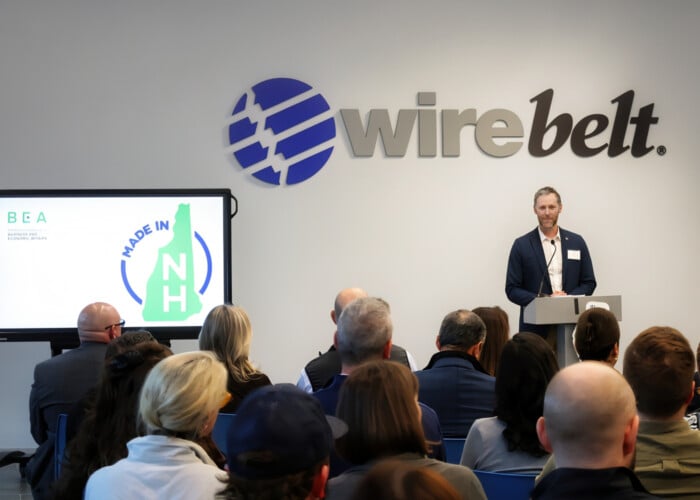
State teams up with Granite State companies for Made in NH campaign

Hit HBO medical drama underscores the impact of stress in the workplace