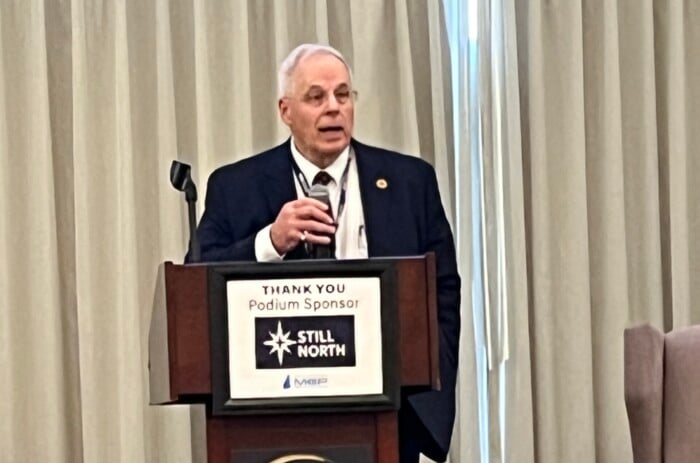
Navigating New Hampshire’s new solid waste site evaluation committee
Anyone who has taken a transmission line or a wind farm through New Hampshire’s Site Evaluation Committee knows the process is long, expensive and can be fraught with complication.
 This year began where the last year left off: a new modern record for fewest bankruptcy filings in a month.
Only 41 New Hampshire individuals filed for protection in January, beating the previous record by four, and that was set in December.
January filings were 24 percent lower than in January 2021, 33 percent below last year’s average monthly total, and a third of what they were in in January 2020, before the pandemic disrupted the economy.
This January’s filings totaled a little more than a tenth of the 381 that were recorded in January 2010, during the Great Recession.
You would have to go back to 1987, before Congress made it harder to file for bankruptcy, to find any month with fewer filings. In January of that year, 39 bankruptcies were recorded, and in November there were 37.
Unlike December, January’s filings did include two businesses. Both filed for bankruptcy reorganization. They were:

Anyone who has taken a transmission line or a wind farm through New Hampshire’s Site Evaluation Committee knows the process is long, expensive and can be fraught with complication.

Artificial intelligence has moved from pilot project to daily practice inside many HR departments.

Published annually, “The Best Lawyers in America®” is an exhaustive search for the country’s top attorneys. Here is a compilation of the top attorneys who practice in New Hampshire in dozens of legal specialties related to the needs of businesses,…

SB 482, which goes into effect in December, sets a daily conversion limit of $2,000 per digital transaction kiosks.

Most privately held companies view legal counsel as an expense that arrives after a dreaded event. A contract dispute surfaces, an employee threatens a claim, a deal stalls in diligence, and only then does the phone call to outside counsel get made.

Lakefront property owners should understand their rights to the water

New Hampshire is wading into the fight over federal hemp regulation.

Artificial intelligence is transforming business at remarkable speed. Most discussions focus on productivity gains, cost savings or the jobs AI may eventually replace. Yet a more significant change is already underway — one that could reshape the future of nearly every profession.

Unapproved and unmonitored AI use is spreading inside businesses faster than leadership teams know, and it may be one of the biggest privacy and security blind spots companies have today.