NH economist lowers forecast for 2026
A key New Hampshire economist has trimmed down to 2.2% his forecast for the growth in the state's economy this for 2026, citing lackluster consumer confidence and the uncertainty of the U.S. war against Iran.
New Hampshire’s story is often told through familiar but false assumptions: retirees driving population change, Massachusetts buyers pushing up home prices, and a uniquely low-tax landscape keeping the state affordable. But the latest data tells a different and more nuanced story.
First, younger adults, not retirees, are driving population growth. Between 2019 and 2023, around 77% of the people who moved to New Hampshire from another state or country were under the age of 45. When accounting for both in-migration and out-migration, the Granite State still attracts more people in their 30s and 40s, along with their children, than older adults.
With deaths outpacing births in the state since 2017, New Hampshire has relied on in-migration to maintain population growth and support its workforce. However, rising costs, particularly housing and child care costs, can make establishing roots in the Granite State increasingly challenging.
Second, housing pressures come more from within than from Massachusetts. Between 2018 and 2022, around 70% of deed transfers occurred among Granite Staters, even amidst a national shift towards rural living and more flexible remote work during the COVID-19 pandemic.
While increased migration from Massachusetts likely had some influence on housing constraints during the pandemic, demographic shifts, including Millennials entering typical homebuying years, likely placed greater pressure on the housing market regardless of changes in interstate movers. With net gains from Massachusetts slowing in 2023, internal demands and limited housing supply likely continue to influence high prices.
Finally, New Hampshire’s low-tax reputation changes when property taxes enter the picture. While New Hampshire had the lowest state-level tax revenue collections per capita of any state during fiscal year 2022, perspectives shift when local taxes are factored in.
New Hampshire fell closer to the middle when factoring in both state and local tax revenues, ranking 29th among the 50 states in the fiscal year 2022 data. This shift reflects the state’s heavy reliance on local property taxes, with more than half of all state and local government tax revenue coming from such taxes, placing a greater strain on homeowners.
Overall, New Hampshire is gaining the younger workers and families it needs to sustain its economy, but their ability to stay hinges on whether the state can tackle rising housing, child care and other costs. Addressing affordability concerns and strengthening support for families will be crucial to ensuring a thriving New Hampshire workforce and overall economy in the years ahead.
Jess Williams is a policy analyst with the New Hampshire Fiscal Policy Institute. The NHFPI Policy Memo is a partnership of the NH Fiscal Policy Institute and NH Business Review.
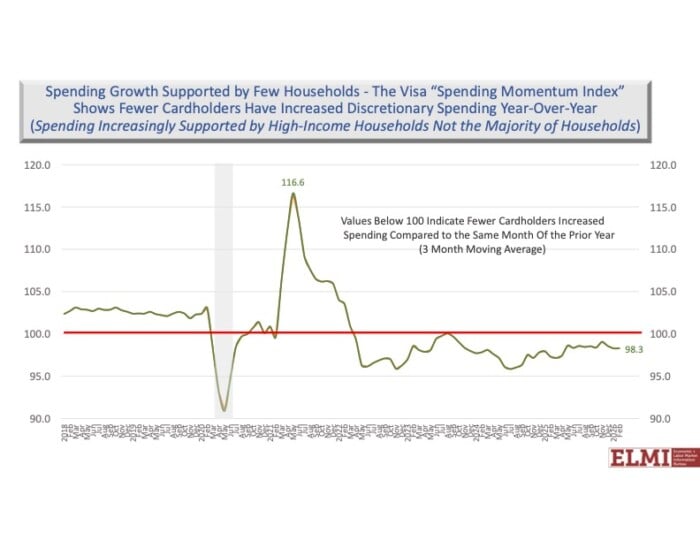
A key New Hampshire economist has trimmed down to 2.2% his forecast for the growth in the state's economy this for 2026, citing lackluster consumer confidence and the uncertainty of the U.S. war against Iran.

The U.S. Department of Commerce’s Bureau of Economic Analysis (BEA) earlier this month released its latest Outdoor Recreation Satellite Account data, reaffirming outdoor recreation as a major driver of New Hampshire’s economy and a significant contributor nationwide.

The NH Executive Council paused the approval of $773 million in federal spending contracts for the “GO NORTH” rural health program Wednesday, March 4, putting the brakes on a major initiative of Gov. Kelly Ayotte after councilors said the contracts were rushed and needed more scrutiny.

Employer health benefits costs are rising faster than inflation and wage growth, putting continued pressure on employer-sponsored plans. According to KFF’s 2025 Employer Health Benefits Survey, per-employee benefit costs increased 6% in 2025, with another 6.5% increase projected for 2026.
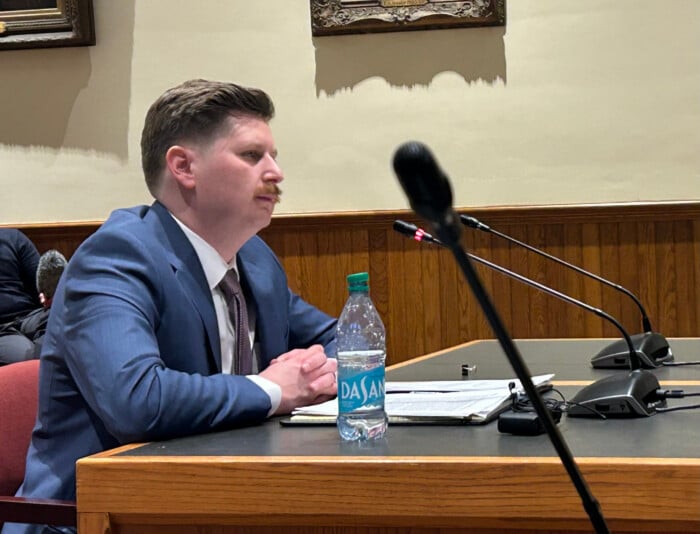
Christopher Ellms Jr. received a 4-1 vote from the executive council on Wednesday, March 4, to become the next chair of the state’s Public Utilities Commission.

The Jaffrey Zoning Board approved a request on March 3 allowing grading and earthwork within wetland setbacks on Prescott Road as part of MilliporeSigma’s plan to improve wastewater treatment capacity at its facility.

New Hampshire Media Teachers and Media Power Youth (MPY) have announced a strategic partnership for the 2026 NH High School Short Film Festival (NHHSSFF). This collaboration introduces a new category designed to celebrate the students, educators and community members who help New Hampshire’s schools and neighborhoods thrive.
New U.S. Census Bureau data offer a detailed look at how New Hampshire residents have fared during and following the COVID-19 pandemic. This data, covering the five years of 2020-24, provides insight into long-term trends in income and poverty across different regions and demographic groups.
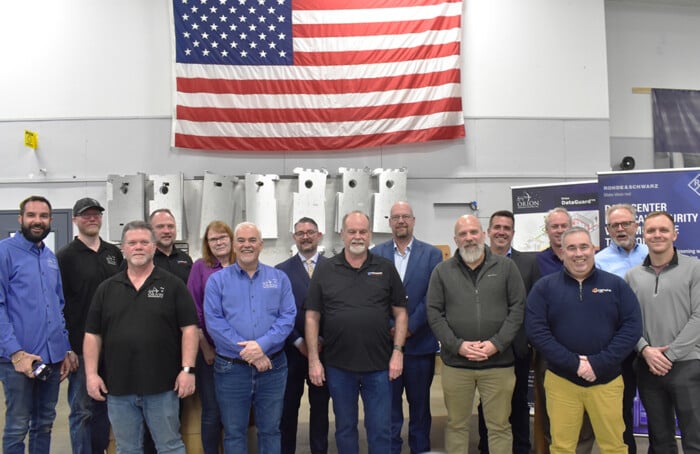
Orion Entrance Control launches new security screening system