The New England energy market
Rising demand, transmission constraints, and the push for regional solutions
According to a 2024 ISO New England study, regional electricity consumption will increase by approximately 17% over the next decade. This is a shift from prior years. The projected increase is being driven by the electrification of buildings and vehicles, the retirement of fossil fuel generation resources, broader economic activity and the ever-expanding needs of data centers. These changes are occurring as the region transitions toward cleaner energy sources and seeks to reduce reliance on imported fossil fuels. The anticipated demand growth also coincides with disruptions to the offshore wind industry, which had been expected to supply a significant share of the region’s future energy needs. As a result, access to large quantities of onshore wind and hydropower, often located in northern New England or Canada, has become increasingly important.
At the same time, New England faces structural challenges in procuring sufficient energy and transmission capacity, particularly as it seeks to integrate large amounts of clean and renewable sources. Recent efforts, including new high voltage transmission projects and a landmark regional request for proposals (RFP), reflect a growing recognition that a regional approach to transmission expansion is essential to New England’s energy future.
New England’s geography and regulatory structure present persistent challenges to procuring energy and improving infrastructure. Many clean energy resources are located far from population centers, requiring new or upgraded transmission facilities to move power toward load pockets. Transmission projects, however, face lengthy permitting timelines, complex multi state coordination requirements, environmental review obligations and local opposition.
Massachusetts has played a leading role in advancing transmission development, driven by statutory climate requirements and concerns about long term energy affordability and reliability. State officials emphasized that large scale transmission is necessary to bring lower cost, cleaner energy into the region and to reduce dependence on fossil fuel generation during periods of peak demand.
New England states have increasingly coordinated their efforts through the New England States Committee on Electricity (NESCOE). This coordination has focused on aligning transmission planning with shared policy goals related to reliability, cost containment and emissions reduction, laying the groundwork for more systematic regional transmission development.
In March 2025, ISO New England issued an RFP to address the region’s long term transmission needs. The RFP focuses on upgrading transmission capacity between northern Maine, where significant land based wind generation is expected to be developed in response to an RFP put out in late 2025 by the Maine PUC for up to 1,200 MW of new onshore wind capacity, and demand centers in southern New England.
The solicitation seeks proposals that will increase power flows across key transmission interfaces between Maine and New Hampshire and develop new infrastructure capable of interconnecting the projected new wind generation in Maine. The RFP documents indicated that preference will be given to projects that can be placed into service by the end of 2035. Proposals were due by September 2025. After evaluation by ISO New England, a preferred solution may be selected as early as September 2026. Importantly, the RFP represents the first competitive regional process allowing states to direct ISO New England to pursue transmission investments based on regional benefits and consumer interests.
Rising electricity demand, the geographic mismatch between clean energy resources and load centers, and binding climate mandates all point toward the need for substantial new transmission infrastructure. Yet recent experience demonstrates that technical need alone is insufficient to ensure timely project delivery. The prolonged development of recent transmission projects highlights the risks associated with fragmented permitting regimes and project specific siting battles. Even projects offering broad regional benefits can face years of delay when affected communities and states perceive unequal burdens or insufficient opportunities for meaningful engagement. These delays not only increase costs for ratepayers but also threaten grid reliability and the region’s ability to meet emissions reduction targets.
Looking ahead, the success of future transmission development will likely depend on early regional coordination, clearer alignment between state policies and cost allocation, and potential reforms to siting and permitting processes.
Barry Needleman is a director and chairs McLane Middleton’s Energy Practice Group. Rebecca Walkley is a member of McLane Middleton’s Administrative Law Department.

Rising demand, transmission constraints, and the push for regional solutions
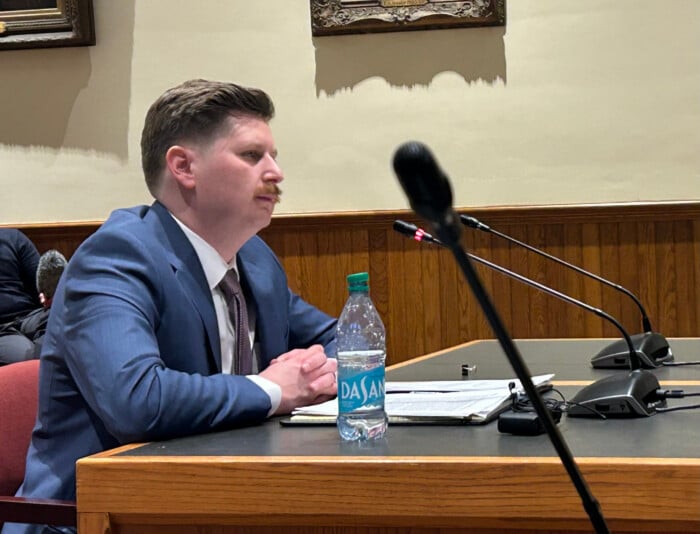
Christopher Ellms Jr. received a 4-1 vote from the executive council on Wednesday, March 4, to become the next chair of the state’s Public Utilities Commission.

Will New Hampshire ever land a massive data center?
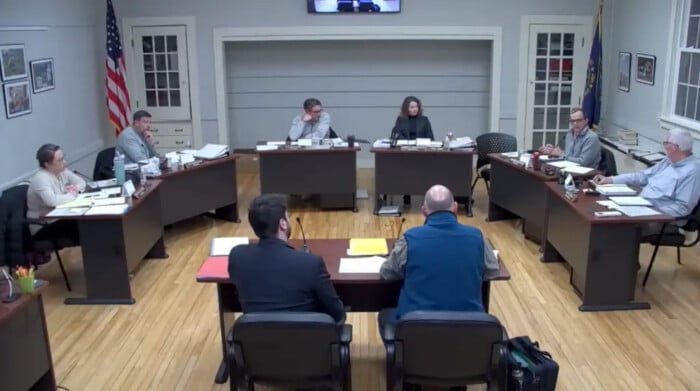
Bow could become the first town to withdraw from the Community Power Coalition of New Hampshire as residents confront high energy costs.
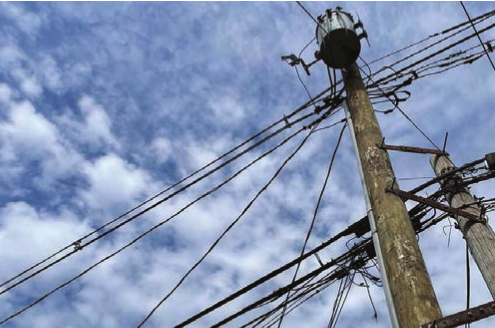
New Hampshire’s energy officials are asking the state’s Supreme Court to review a decision by utility regulators that raised rates for Eversource customers last summer.
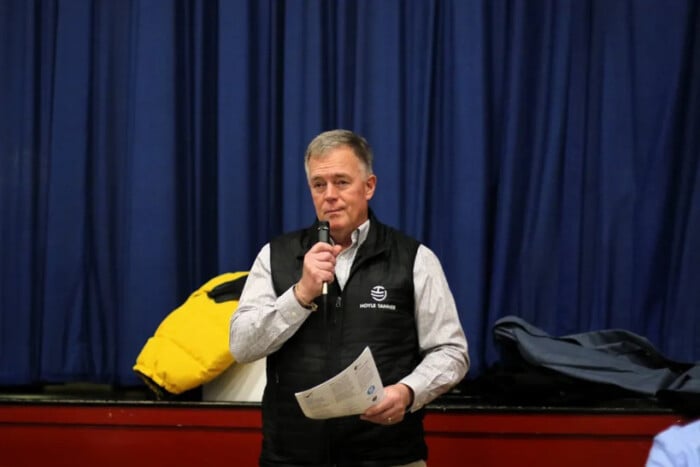
Residents debated a proposed $2.66 million wastewater project during a town deliberative session at Pittsfield MidCadle High School, with discussion focusing on costs, long-term planning and who should pay.

Innovation is promising for builders, loggers and rural communities
For the last several years, housing and commercial development have been under the spotlight in New Hampshire. Building professionals have had to be creative to address challenges in infrastructure, resilience in the face of a changing climate and a focus on sustainable design. Our expert weighs in on engineering innovations and trends.

Dublin is considering whether to join 27 other New Hampshire towns in a statewide Styrofoam recycling program and will host a trial foam collection event on Saturday, Jan. 31, with a snow date of Feb. 7.