Manchester to end up on the Monopoly board
Efforts are underway in Manchester to fashion a version of the iconic board game "Monopoly" into a Who's Who and What's What of New Hampshire's largest city.
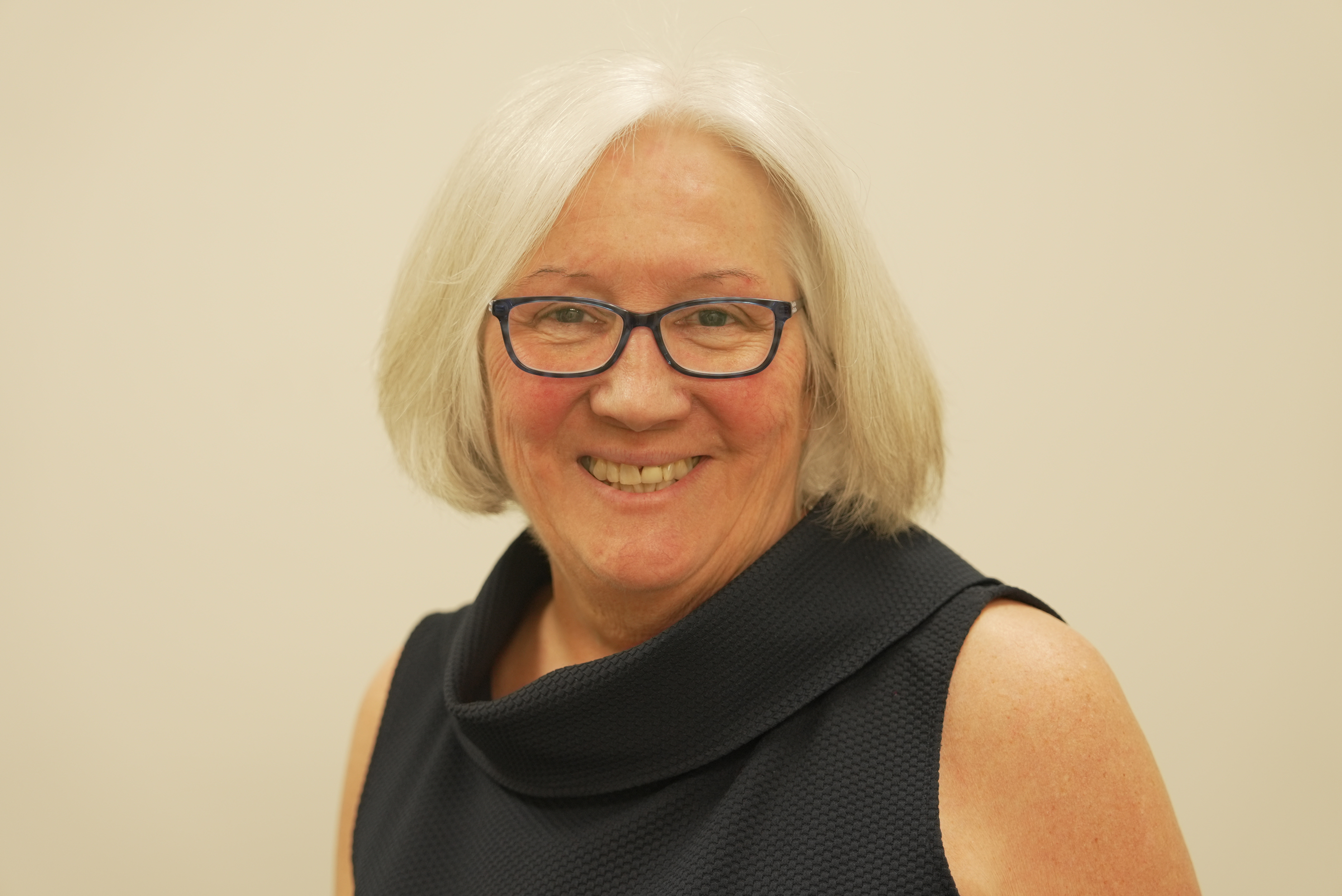
‘We all lived through COVID. How many batches of vaccines got lost along the way?’ says Laurie Masiello, on Predictive Monitor’s flagship product OverShield, which monitors refrigeration systems used by life sciences companies.
Laurie Masiello spent nearly 40 years sharing an office with her husband, John, at a life sciences service company they co-founded in Massachusetts. At their current business in Nashua, they each have their own office — but only a door separates them.
Masiello is the co-founder and chief executive officer of Predictive Monitor, whose flagship product, Over-Shield, uses artificial intelligence and machine learning to safeguard refrigeration systems used by biopharma companies.
Before Predictive Monitor, Masiello co-founded and served as CEO of Masy BioServices, a company based in Pepperell, Mass., that provides biostorage and other services. Masy was acquired in 2021 by Alcami, a U.S.-based pharmaceutical contract development and manufacturing company.
Masiello recently visited NH Business Review to appear as a guest on the “Down to Business” podcast with Managing Editor Amanda Andrews. This story was adapted from that interview.
Q. How were you aiming to solve a pain point in the industry with Predictive Monitor?
A. It totally is a pain point, but it’s a pain point that people don’t know they have. Our previous company was Masy Bioservices in Pepperell, Massachusetts, and about four years ago we sold that to Alcami, based in North Carolina. While they bought our entire company, a few months later they told us they didn’t really understand what the Predictive Monitor piece was, and they said they were looking for a revenue source. Instead they said this is a special R&D project that’s important to you.
One of the things we did at Masy is store pharmaceutical products in refrigerators, freezers and warehouses — high-valued products on pallets. One customer told us there was $1.25 million on a pallet, and they gave us 70 pallets.
We wanted to be positive that that product stayed at temperature, and traditional monitoring systems weren’t going to get that done. They would tell you when you had a failure. And we knew it was more important than that. We needed an early warning.
But it’s a problem that customers don’t know they have. Their refrigerator, their freezer, will fail. Eventually they’ll get an alarm that says the refrigerator is warmer than 8 degrees. You have a failure. You could lose all the product that’s inside that chamber. And we thought, where was the early warning — weeks, months, ahead of time — that said if only you fixed this thing that’s showing a problem. With the development of advanced sensors and AI and machine learning, it’s just in a whole new place right now.
We’re coming to customers saying we have this really advanced system that we’re positive you need, and they’re just not sure how to justify that. We have what we call our early adopters. We actually sold it to people while we were at Masy. We got those customers in the transition, and those customers absolutely love this product. They’ve had it in place for four, five, six years by now.
It gives them an early warning. It saves the products that are in there. We all lived through COVID. How many batches of vaccines got lost along the way? And then the people who needed them did not get it. But same thing: cancer, drugs. What are the treatments that are in those refrigerators and freezers and warehouses that can’t get to the patient because there was a failure? We’re giving the gift of time.
Q. What was your career like before starting Predictive Monitor?
A. My husband and I started Masy Bioservices in 1984, and then we got incorporated in 1995 and made it the full-time job. It became the family income, and it was a family company. Our two sons worked there, even when they were little. As they got married, their wives joined them. Our brothers worked there.
Their wives worked there. We dug pretty deep. Lots of family, lots of friends, lots of relatives. We really enjoyed that family atmosphere. It was a husband-and-wife run company. And it was a family for us. We did that for almost 40 years.
Q. What are the challenges working with family and having a company with your husband?
A. It’s a different set of everything. So many people will tell us I could never work with my spouse this closely. John and I used to share an office. At this new company, we actually have adjacent offices, but there’s a side door so we can keep the side door open and just yell back and forth. That works for us.
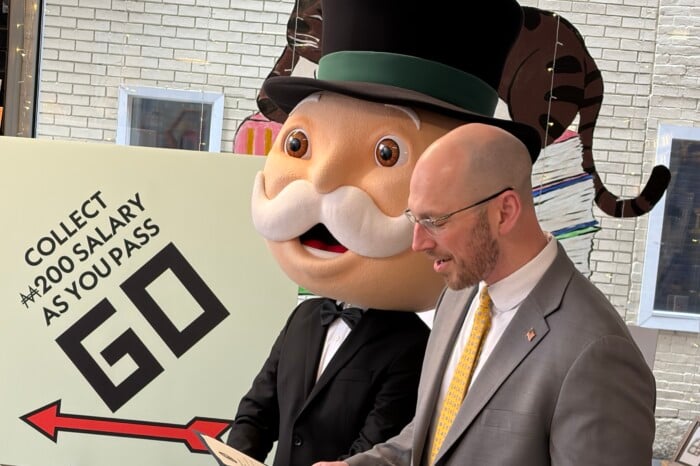
Efforts are underway in Manchester to fashion a version of the iconic board game "Monopoly" into a Who's Who and What's What of New Hampshire's largest city.

Rising demand, transmission constraints, and the push for regional solutions
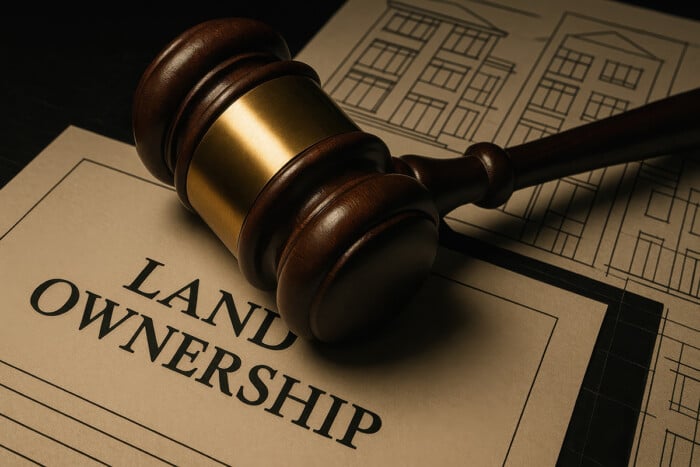
The Rugg family and the Town of Exeter have settled their long running land dispute, clearing the way for a developer to proceed with a housing development to be built on the Exeter-Newfields town line.
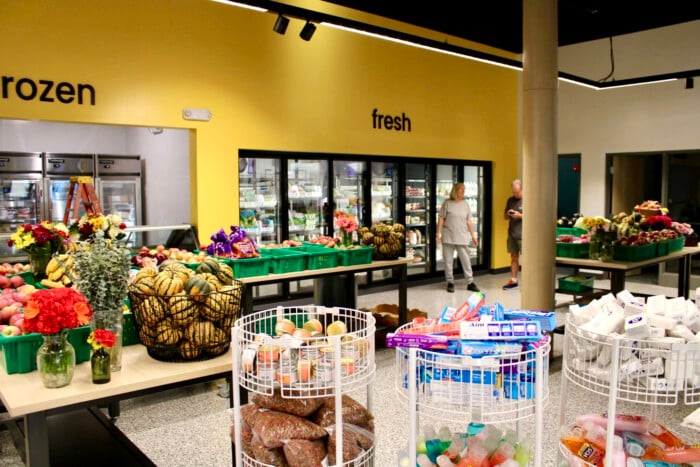
First-time-participant M&T Bank cites community’s ‘strong relationships’

On February 26, 2026, the Department of Labor’s Wage and Hour Division released a new notice of proposed rulemaking that would significantly revise the test used under the Fair Labor Standards Act (FLSA) for determining independent contractor status, marking the third major change to the federal independent contractor rule in less than five years.
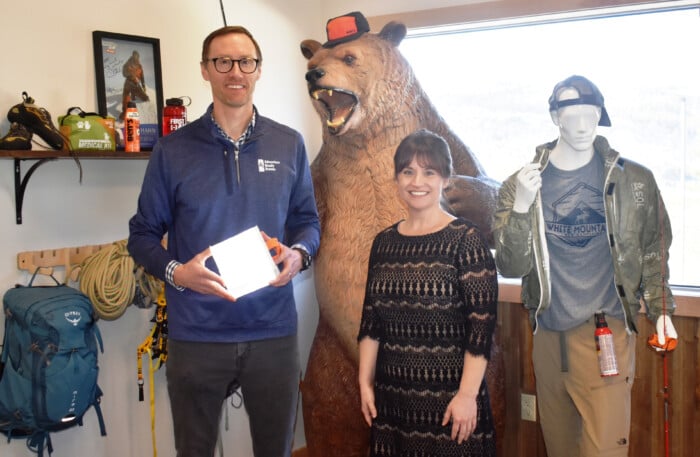
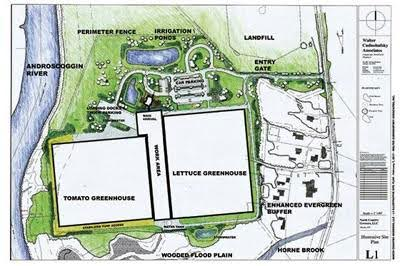
Adventure Ready Brands makes health and safety products at North Country industrial park

Exacom, which provides voice and multimedia recording and logging solutions for 911 emergency communications, has been acquired by Motorola Solutions (NYSE: MSI). Terms of the transaction were not disclosed.
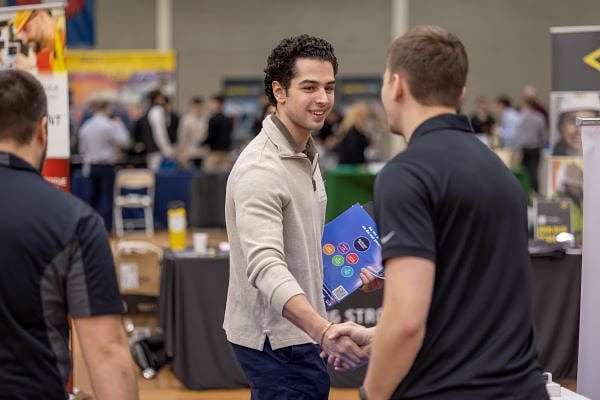
Keene State College’s (KSC) Safety and Construction Sciences programs recently hosted a three-day summit that brought students, faculty, alumni and industry leaders from across the country to address the future of the occupational safety profession and the growing demand for qualified safety professionals.

The board of directors of the Education Alliance for New Hampshire (EANH) has voted unanimously to close the organization’s operations following the loss of significant federal funding that has historically supported its core college access programs, the organization said in a press release.