(Opinion) People with developmental disabilities need housing
Those living with intellectual and developmental disabilities deserve housing options that reflect their potential
HOUSING
By: Mike Dennehy
New Hampshire is rightly proud of its quality of life, strong communities and tradition of caring for our neighbors. But there is a growing crisis that too often remains invisible: the lack of safe, affordable and appropriate housing for people with intellectual and developmental disabilities (IDD). If we are serious about building an inclusive Granite State, housing for people with IDD must become a clear policy priority, not an afterthought.
Across New Hampshire, individuals with IDD are waiting years for housing that allows them to live with dignity and independence. Many remain stuck in family homes long after their parents are able to provide care, while others are forced into institutional or inappropriate settings simply because no better option exists. This is not a failure of families or service providers; it is a systemic failure to plan for a population whose needs are well known and growing.
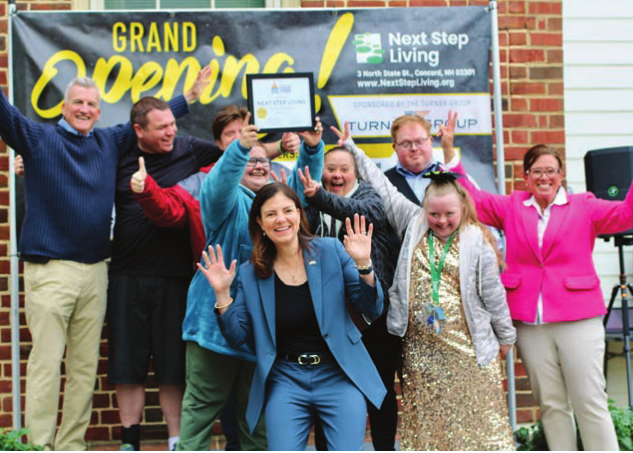
The reality is that people with IDD want the same things everyone else wants: a stable home, a sense of belonging and the opportunity to participate in their communities. That’s what led us to create the Next Step Living housing project in Concord last year. As the only model of its kind in New Hampshire, our small community of 11 individuals living independently has had a profound and overwhelmingly positive impact on their quality of life. It is a cost-effective approach that situates these remarkable adults right in the heart of downtown Concord, giving them the chance to fully engage in city life. Yet despite our success, we remain a small island in a much larger landscape where opportunities are still far too limited.
New Hampshire’s housing system simply has not kept pace. High construction costs, limited zoning flexibility, workforce shortages and insufficient long-term funding streams have all combined to slow development. When housing does get built, it is frequently snapped up by higher-income residents, leaving people with IDD — and the nonprofit providers who support them — competing in an impossible market.
The consequences ripple far beyond individuals with disabilities. Families experience burnout and financial strain when adult children cannot move into appropriate housing. Emergency rooms, hospitals and nursing homes become default safety nets when people lack stable living situations. Employers lose workers when caregivers are forced to reduce hours or leave the workforce entirely. In short, failing to invest in IDD housing costs the state far more than proactive solutions ever would.
New Hampshire already has the tools to do better. Strategic investments in affordable housing trust funds, targeted capital grants and operating subsidies can unlock development. Zoning reforms can allow for small independent living projects like Next Step Living and supportive housing in more communities. Public-private partnerships can stretch limited dollars further. Most importantly, people with IDD and their families must have a seat at the table when housing policy is shaped.
This is not about creating special treatment; it is about correcting a longstanding imbalance. People with IDD are part of our communities, our schools, our workplaces and our families. They deserve housing options that reflect their value and potential, not systems that leave them waiting indefinitely.
As New Hampshire debates its future — economic growth, workforce development and community vitality — we must recognize that housing for people with intellectual and developmental disabilities is not a niche issue. It is a moral obligation and a smart investment. When we ensure that everyone has a place to call home, we strengthen the fabric of the entire state.
The question is not whether New Hampshire can afford to focus on housing for people with IDD. The real question is whether we can afford not to.
Mike Dennehy is the president of Next Step Living, a nonprofit independent living residence in downtown Concord that provides housing for adults with intellectual and developmental disabilities.