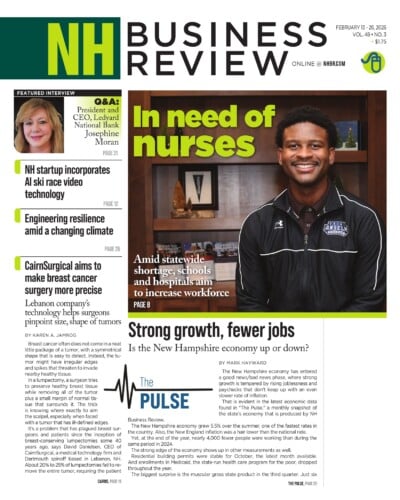
CairnSurgical aims to make breast cancer surgery more precise
Lebanon company’s technology helps surgeons pinpoint size, shape of tumors

RICH PEZZILLO
In the wake of the longest government shutdown in U.S. history, the skyrocketing cost of health care has once again become a defining issue in Washington. Yet even with the urgency Americans feel, meaningful progress on lowering health care costs has remained out of reach.
For families in New Hampshire and across New England, the rising cost of care is not an abstract policy debate. It is a daily, personal burden that threatens their health, stability and quality of life.
That is why the reintroduction of the bipartisan Pharmacy Benefit Manager (PBM) Price Transparency and Accountability Act could not come at a more important moment. I want to thank Sen. Maggie Hassan for cosponsoring this critical legislation.
Last year, the Crapo–Wyden PBM bill came close to the finish line. Now that Congress has another chance, lawmakers must act quickly to deliver long-overdue reforms.
PBMs were initially designed to negotiate lower drug costs on behalf of patients.
But in reality, these companies, now some of the most powerful entities in the health care system, often increase, rather than reduce, what patients pay.
Just three PBMs control nearly 80% of all prescription drug claims in the U.S., each vertically integrated with a major insurer. Their decisions influence everything from which drugs are covered to which pharmacy a patient is allowed to use.
PBMs routinely steer patients away from trusted specialty pharmacies and toward their own affiliated mail-order operations. Some generic drugs face markups of more than 1,000%. Meanwhile, PBMs are estimated to pocket roughly $100 billion annually through spread pricing, retained rebates and hidden fees. At the same time, more than 1,000 independent pharmacies closed last year, pushed out by PBM practices.
For patients, these problems are not merely inconvenient; they are dangerous. Delays, forced substitutions or restrictions on factor products can result in painful bleeds, permanent joint damage, emergency room visits or long-term disability.
Families cannot afford uncertainty about where or how they will access the medications that allow them to live full, safe and healthy lives.
The reform bill championed by Sens. Crapo, Wyden and Hassan would break the link between PBM compensation and drug prices — one of the core drivers of inflated costs. Other provisions would ban harmful practices such as spread pricing and require transparency so insurers, employers and families can understand where their health care dollars are going.
These reforms would offer relief to communities while saving taxpayer dollars.
Federal estimates indicate that PBM reform could save nearly $5 billion by ensuring drug prices reflect what pharmacies actually pay, eliminating hidden fees and backroom deals that inflate Medicare spending.
Passing PBM reform would send a clear message: There is no place for patient exploitation or unchecked vertical integration in our health care system. Consistent and affordable access to specialized medication is not optional; it is essential for survival.
But Congress has already missed several opportunities to act. Last year, bipartisan PBM reforms were included in a year-end package that ultimately collapsed due to unrelated political factors. Executive agencies have taken steps to rein in PBMs, but true, lasting change requires congressional action.
This bipartisan solution would provide immediate relief at the pharmacy counter. Patients across New England cannot bear another year of rising costs and restricted access. With Sen. Hassan’s leadership, Congress has a chance to finally fix this broken system.
PBM reform is not only necessary, but it’s an urgent request from Granite State and New England patients. On behalf of the patient community in New England, I’m asking Congress and the remaining New England Senate Delegation to get off the sidelines and finish what they started last year on a party-friendly, bipartisan, lifesaving issue. The patient community is watching.
Rich Pezzillo is the executive director of the New England Hemophilia Association, advocating for patients and families affected by inherited bleeding disorders across the region.

Lebanon company’s technology helps surgeons pinpoint size, shape of tumors

Amid statewide shortage, schools and hospitals aim to increase workforce
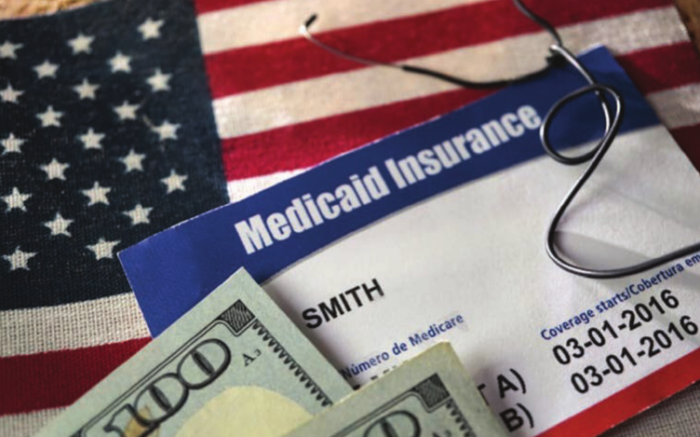
Some state officials and lawmakers are concerned that New Hampshire’s incoming Medicaid premium system may conflict with provisions in Congress’ One Big Beautiful Bill Act.
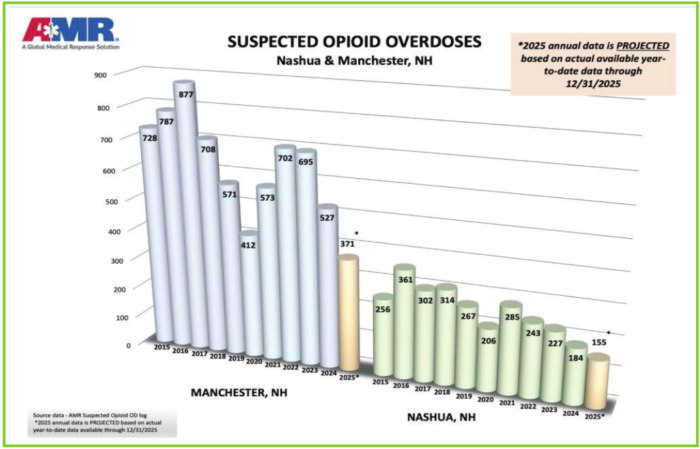
American Medical Response (AMR) released its annual suspected opioid overdose statistical report earlier this month for New Hampshire’s two largest cities, Manchester and Nashua. Both communities experienced record low numbers.

Providing benefits aimed at meeting diverse needs may provide a more affordable approach to care
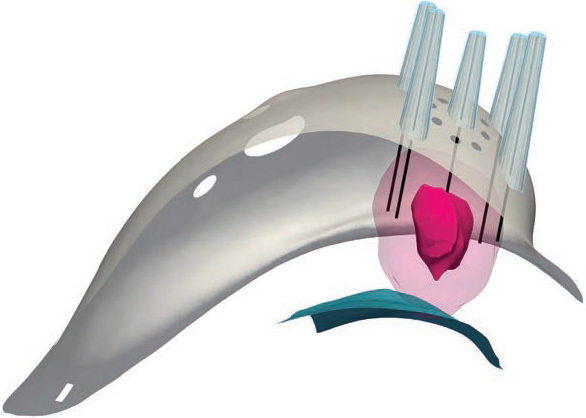
Cairn Surgical, Inc., a medical technology firm based in Lebanon, NH, announced earlier this month that patient enrollment has been completed in the U.S. pivotal trial of its Breast Cancer Locator (BCLTM) System.

Now that 2026 is underway, New Hampshire employers should turn their attention to the state’s new Parental Medical Leave law (PML). Effective January 1, 2026, most employers with 20 or more employees are required to provide unpaid leave to allow employees to attend childbirth-related medical appointments, postpartum care and pediatric visits during a child’s first year.

The federal government will give with one hand and take with another when it comes to New Hampshire’s rural health care system in 2026.

The grant was part of a $50 billion package awarded to all 50 states.