Seacoast forum takes on housing issues
The Seacoast Board of Realtors on Jan. 14 convened a panel to discuss housing affordability, supply and solutions to address both concerns.
Sections
Extras
Connect With Us

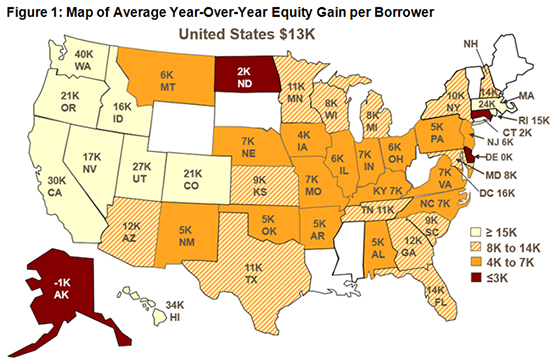
New Hampshire homeowners gained an average of almost $14,000 in the second quarter of 2017 compared to a year ago, but 5.73 percent of them remain in negative equity, or underwater, according to real estate data analytics firm CoreLogic.
The company reported that 5.7 percent in the Manchester-Nashua region alone, 4,370 homeowners remained underwater in the second quarter. That compares with 6,956, or 9.1 percent, in the second quarter of 2016, and 5,811, or 7.6 percent, in the first quarter of 2017.
CoreLogic reported that an additional 1,490 Manchester-Nashua properties, or 1.9 percent, were in near-negative equity (less than 5 percent equity) in the second quarter of 2017, compared with 2,291, or 3 percent, in the second quarter of 2016 and 1,939, or 2.5 percent, in the first quarter of 2017.
Nationally, the company reported that homeowners gained an average of $12,987 in equity in the last year.
The Seacoast Board of Realtors on Jan. 14 convened a panel to discuss housing affordability, supply and solutions to address both concerns.
Index of affordability in New Hampshire tied for poorest showing in 2025
New Hampshire should insist that its citizens receive surgery from properly trained surgeons by asking legislators to reject HB 349
HB 155 would cut the Business Enterprise Tax by 0.05%. On paper, that sounds “pro-business.” In reality, it’s a distraction that saves most businesses pennies while pulling an estimated $23 million out of an already strained state budget, says small business owner Jesse Lore.
As 2025 comes to an end, many Granite Staters are feeling the same things. Groceries cost more. Housing costs and property taxes are up. Health care is harder to afford and access.
How to build a stronger entrepreneurial ecosystem
Achieving financial independence — that is, living comfortably while knowing your money will last — is a goal shared by many.
Real estate transactions in New Hampshire invariably carry tax consequences. Whether you are a business owner, investor, or advisor, thoughtful tax planning is critical to preserving value and avoiding costly missteps.
Since 2020, our research team at the University of New Hampshire — the New Hampshire Youth Retention Initiative (YRI) — has been studying how young people view the Granite State as a place to live, learn and work.