NH likely to see hike in health insurance premiums
NH has the nation’s lowest health insurance costs—but new state and federal laws could drive premiums up for many residents in coming years.
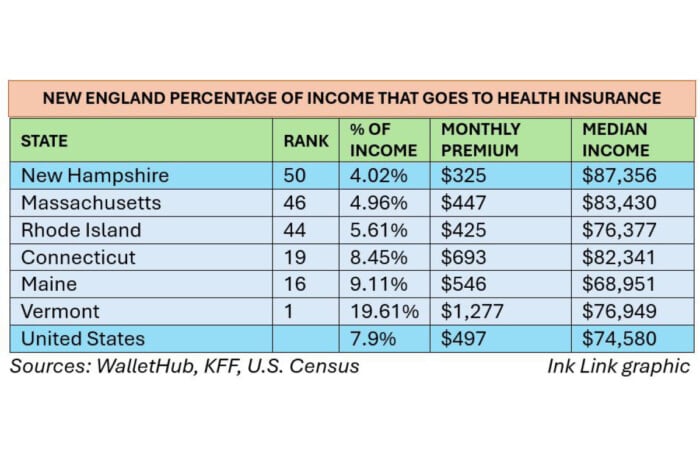
NH has the nation’s lowest health insurance costs—but new state and federal laws could drive premiums up for many residents in coming years.
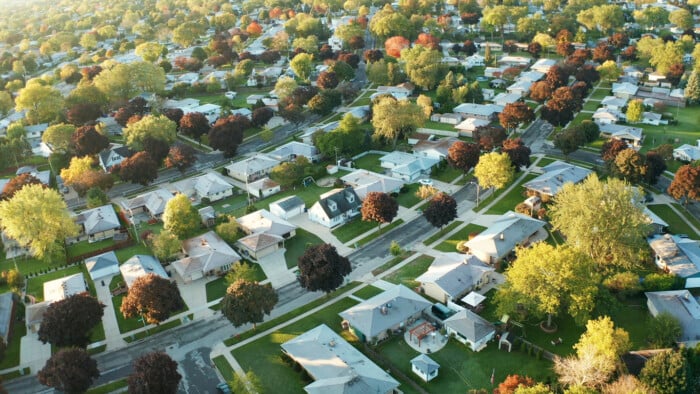
New listings of single-family residential property were down significantly in February compared to a year ago, and have been trending steadily downward overall since 2019
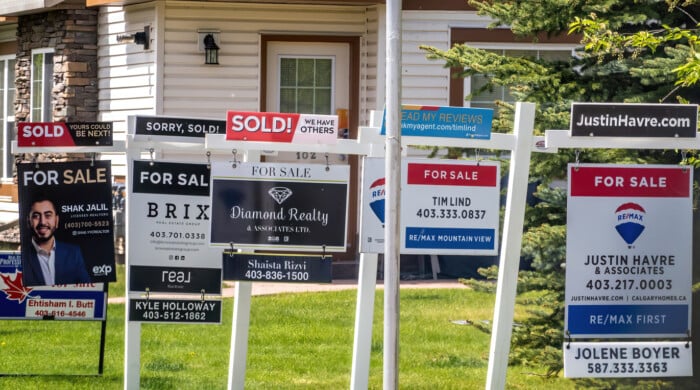
New Hampshire’s residential housing market loosened up a little in 2024, with both sales of existing single-family homes, as well as condo-townhouses, up 3.6% from 2023
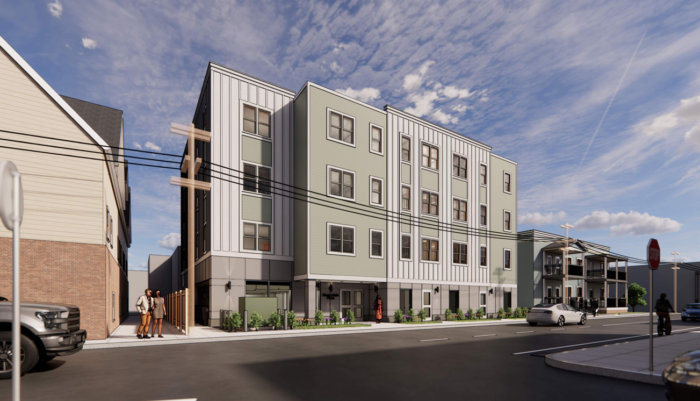
The 17,700-square-foot four-story building will give the organization more office space and areas to meet privately with clients
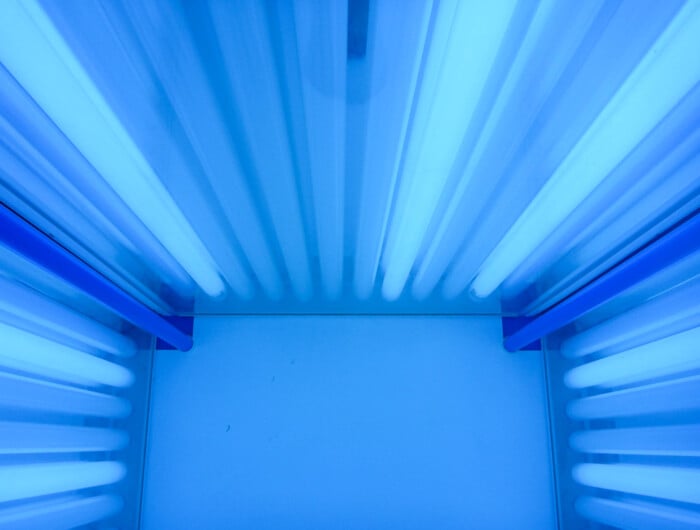
Started in 2021, Cytokind describes itself as 'the global leader in using UVB light to treat immune disorders and improve survival and the quality of life for patients'

Lebanon company’s technology helps surgeons pinpoint size, shape of tumors
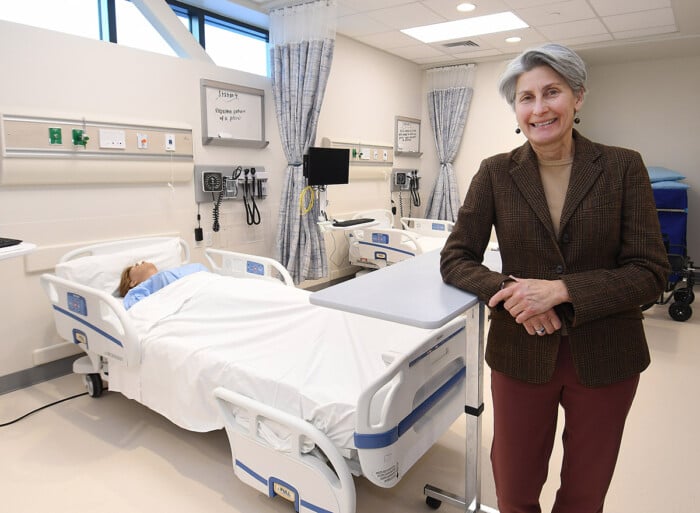
Amid statewide shortage, schools and hospitals aim to increase workforce
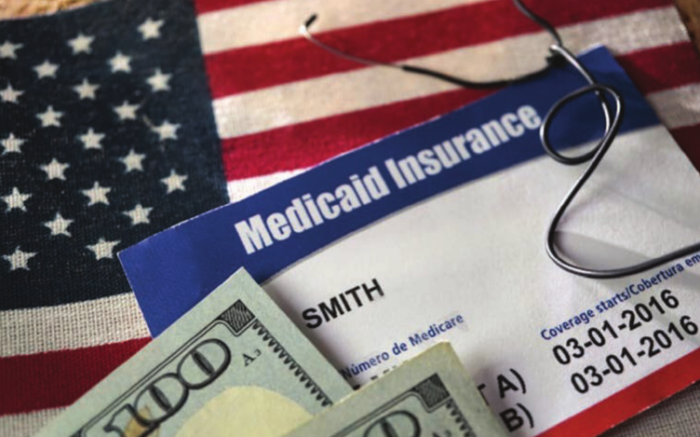
Some state officials and lawmakers are concerned that New Hampshire’s incoming Medicaid premium system may conflict with provisions in Congress’ One Big Beautiful Bill Act.
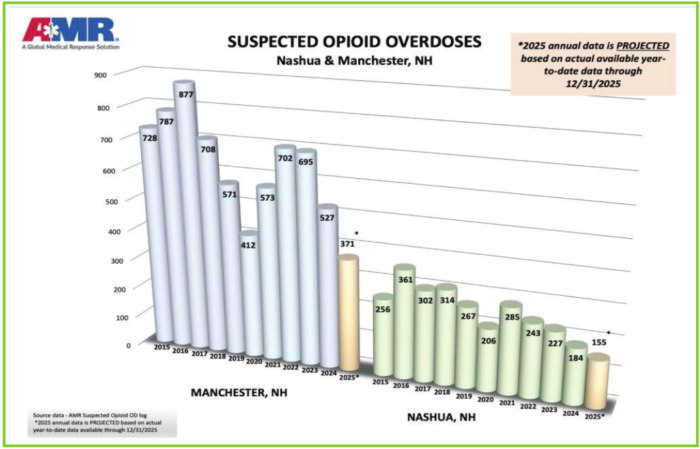
American Medical Response (AMR) released its annual suspected opioid overdose statistical report earlier this month for New Hampshire’s two largest cities, Manchester and Nashua. Both communities experienced record low numbers.

Providing benefits aimed at meeting diverse needs may provide a more affordable approach to care
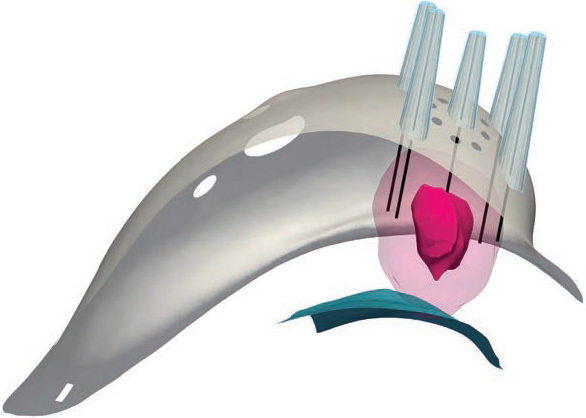
Cairn Surgical, Inc., a medical technology firm based in Lebanon, NH, announced earlier this month that patient enrollment has been completed in the U.S. pivotal trial of its Breast Cancer Locator (BCLTM) System.
Now that 2026 is underway, New Hampshire employers should turn their attention to the state’s new Parental Medical Leave law (PML). Effective January 1, 2026, most employers with 20 or more employees are required to provide unpaid leave to allow employees to attend childbirth-related medical appointments, postpartum care and pediatric visits during a child’s first year.

The federal government will give with one hand and take with another when it comes to New Hampshire’s rural health care system in 2026.