Manchester to end up on the Monopoly board
Efforts are underway in Manchester to fashion a version of the iconic board game "Monopoly" into a Who's Who and What's What of New Hampshire's largest city.

Taylor Caswell
As we begin 2026, we face another set of choices about how to forge a future that enables us to navigate the continuing instability and volatility in our civic and economic lives. We are at a moment in time when we truly need our traditional systems of government and commerce to be fully functional.
Trade battles don’t show much sign of relenting, multinational corporations keep expanding their influence and big government is increasingly confusing ideology and democracy. Technology and artificial intelligence are predicted to make substantial advances and increase their presence in our everyday lives.
These issues add to uncertainty, and the gap in how different generations view all this is widening. In the past, the foundations of capitalism and democracy have been where we have turned to provide some semblance of confidence that rules are being enforced and that we are at least trying to maintain a level playing field.
Portions of those systems still exist closer than you might think. Our local economies are increasingly the new “operating systems” for our civic life. They cannot be a replacement for our government institutions, but they can provide a model for those things we traditionally depend on.
Visit shops on Elm Street in Manchester, along Main Street in Hanover or Keene, and Market Street in Portsmouth. Experience the critical care and high-paying jobs in rural hospitals and manufacturers in industrial parks across the North Country and eat at local restaurants or see a theater production in Conway or Bethlehem.
These are businesses selling local products and services, employing local residents, participating in their communities and supporting local initiatives. They are places where risks taken can become rewards earned. Taken together, these businesses fuel local economies, and with it, provide a framework for those systems we depend on.
Local companies can adapt far more quickly than large governments or corporate bureaucracies. And while we hope none of them fail, when they do, it does not trigger a national economic collapse. One business fills in where another must take a different approach. Supply chains are diversified, negotiated on price or service, and executed through contracts. If a product or service no longer meets customer needs, it must change — or it disappears. Risk and reward still coexist; this is good old-fashioned capitalism at work.
When I talk with younger people in their 20s about the current condition of American civic life, I hear anger and a lack of trust that any of the networks underpinning our systems of government and commerce can overcome their current state. They feel like their future is being taken from them before they even get to envision it. This is a generation that has been subjected to a constant bombardment of messages suggesting that democracy can fail or that we are entering a “post-capitalism” economic system. Certainly, we are on a path somewhere, but I hope that it won’t be the demise of those systems that we know can, and still do, work. In my view, the activity and rules of engagement present in our local economies should inform our decisions about which path to take.
Local economies and the capitalism that still thrives there are what will hold the line for us in 2026, so long as we understand what it offers, learn from it and support it with everything we have.
Taylor Caswell has led economic policy agencies on the state and federal level for decades, most recently serving as New Hampshire’s commissioner of business and economic affairs. You can reach him on LinkedIn: linkedin.com/in/taylorcaswell.
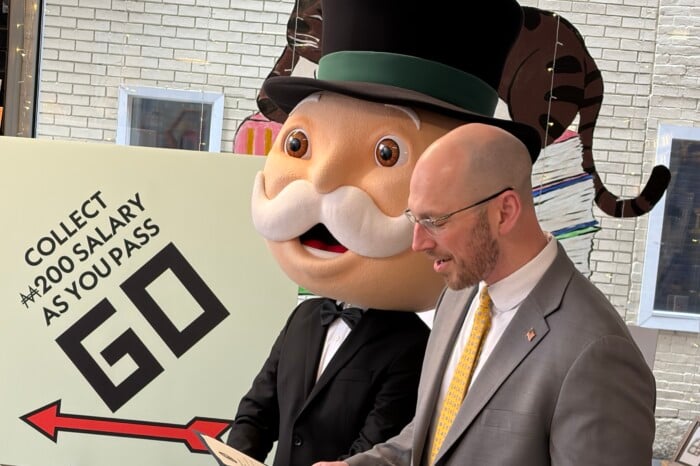
Efforts are underway in Manchester to fashion a version of the iconic board game "Monopoly" into a Who's Who and What's What of New Hampshire's largest city.
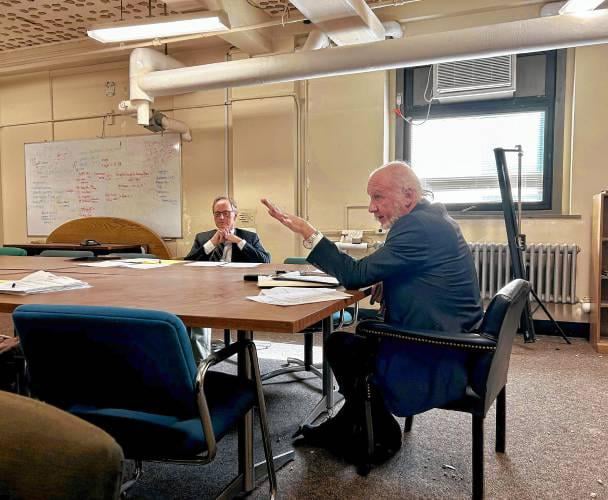
Nine months after the office that handles disputes over access to public records was vacated, the state has yet to staff it.

On February 26, 2026, the Department of Labor’s Wage and Hour Division released a new notice of proposed rulemaking that would significantly revise the test used under the Fair Labor Standards Act (FLSA) for determining independent contractor status, marking the third major change to the federal independent contractor rule in less than five years.
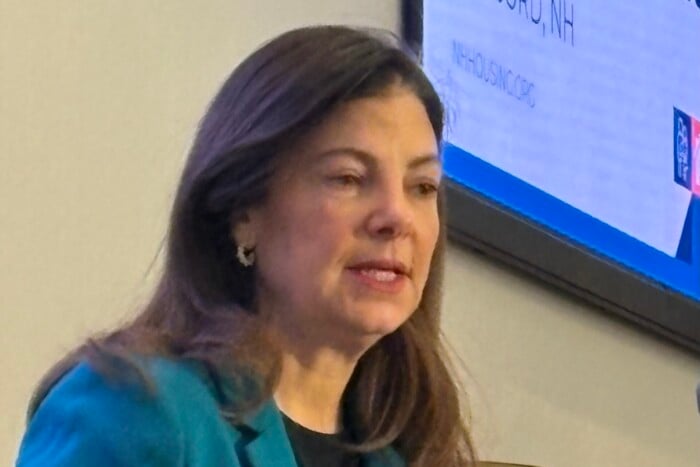
Gov. Kelly Ayotte suggests leasing surplus state land for residential development to help curb New Hampshire's housing shortage and attract more workers to the state.
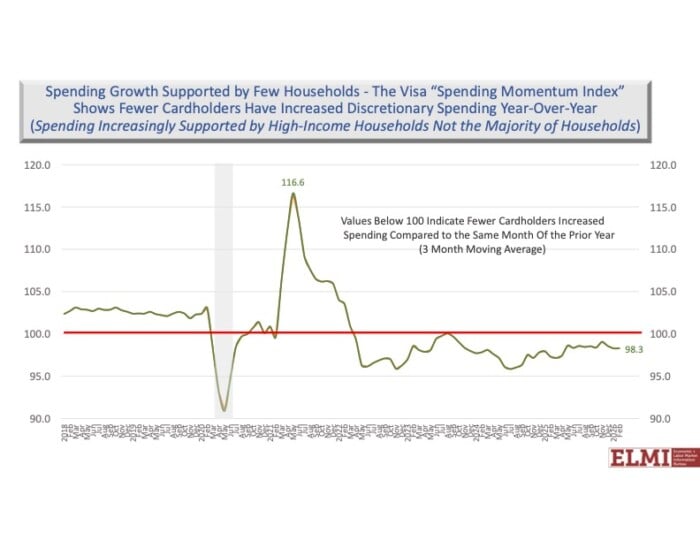
A key New Hampshire economist has trimmed down to 2.2% his forecast for the growth in the state's economy this for 2026, citing lackluster consumer confidence and the uncertainty of the U.S. war against Iran.

POLICY By: Kevin Cavanaugh To be a family who isn’t struggling in today’s economy, a lot has to be going right. You need steady work, an income that stretches far enough, reliable child care — or the flexibility to provide…
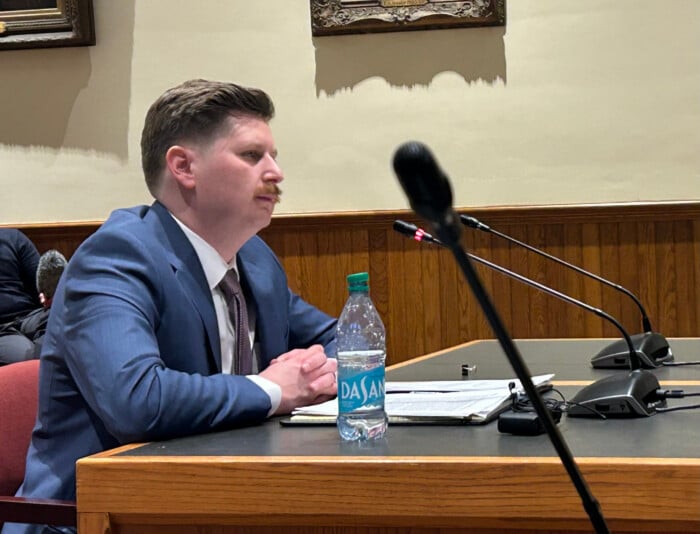
Christopher Ellms Jr. received a 4-1 vote from the executive council on Wednesday, March 4, to become the next chair of the state’s Public Utilities Commission.
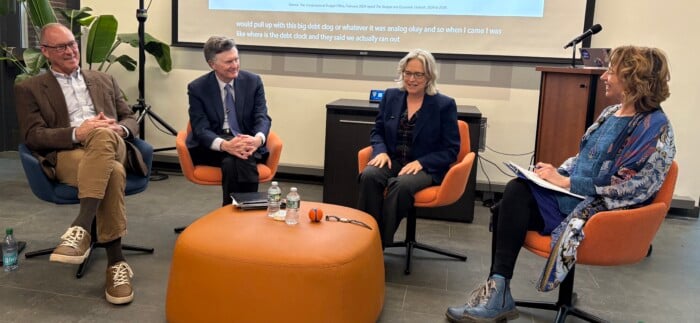
If nothing changes between now and then, the trust fund that finances Social Security payments will run out, triggering a 7% decline in monthly payments in 2032 and dwindling further to 28% from 2033 through 2036.
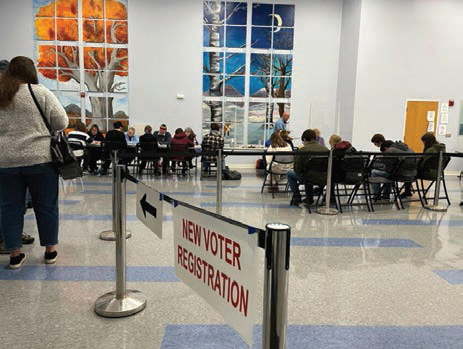
A federal judge heard opening arguments Monday, February 9, in a lawsuit challenging the constitutionality of a 2024 state law that requires first-time voters in New Hampshire to show proof of U.S. citizenship when they register.