Leadership in action
Sink, Graham and Alexander underscore the power of serving the greater good
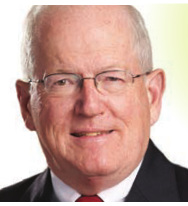
Brad Cook
I have been reminded recently of three exceptional leaders living in New Hampshire or who have ties here.
Marcia (Marty) Sink, of Manchester, retired in June as founding head of Court Appointed Special Advocates (CASA). At a crowded retirement party on June 26, Sink was recognized by 100 or more volunteers, former board members, attorneys and social workers, judges and government officials, including Gov. Kelly Ayotte.
Many speakers recounted the circumstances of Sink having learned of CASA organizations in other states, inquiring about how to contact the one in New Hampshire when she was in need of such services, and, upon learning there was no CASA here, getting people together and founding the New Hampshire organization.
CASA recruits and trains volunteers to aid the courts and governmental agencies in child placement cases, where as a result of neglect or abuse, broken families, drug, alcohol or mental health issues, children are in a process to consider whether they should be taken from their parents. The CASA volunteer is appointed as the child’s advocate, looks into the circumstances and produces a report to the court on what is in the best interest of the child.
New Hampshire judges speaking at the event noted that often it was the CASA report they read first and relied on most. From its small beginnings with 10 volunteers in 1989, the organization has grown to 450 volunteers serving the entire state. The state guardian ad litem system was overwhelmed when CASA started, and its volunteers have filled the void.
Sink, daughter of a minister, found her calling in helping children just like her own foster son; a true act of leadership.
George Will wrote a column last month in which he commended a new book, “The Education of a Senator: From JFK to Trump” by Lamar Alexander, former Tennessee senator, governor and U.S. secretary of education.
In the book, Alexander recounts having been an intern in Robert Kennedy’s Justice Department, a congressional aid, a state politician, a failed candidate at a young age, a Republican governor who had to work with Democratic legislators to get things done, including being sworn in early to keep a crooked governor from selling pardons, a University of Tennessee president, candidate for president, and, finally, a three-term U.S. senator.
Alexander campaigned in a red and black checkered hunting shirt, and wrote a little book of sayings that are quoted liberally in the book. He reports getting to know other political public servants, of all persuasions, by inviting them to his home for weekends, working across the aisle to solve problems, giving others credit whether due or not, and sticking to his positions to accomplish major legislative victories. He says “moderate” is a “style, not a philosophy.” He credits his wife with much of his success.
Alexander became known to New Hampshire voters when he ran for president here in 1996 and 2000, with the help of Tom Rath and others, only to lose to Robert Dole and George W. Bush. He reports on a close friendship and great admiration for Sen. Judd Gregg and on working with other New Hampshire representatives. He also reports on his mentor, Howard Baker, and his friend Mitch McConnell, and how he tried to work with President Trump to get things done, earning him the criticism of avid Trump supporters and opponents alike.
In a postscript, Alexander reports on how disappointed he is that, in Trump’s second term, the Republicans in the Senate, with few exceptions, have failed to do their job to oppose and restrict Trump’s attempts to expand presidential power beyond the Constitution. Lamar Alexander is an example of lifetime leadership.
Finally, the sudden death of Lindsey Graham, the U.S. senator from South Carolina, pointed out another example of leadership. Graham, a military lawyer, congressman and then senator, educated himself in matters of the judiciary and foreign affairs, teamed up with John McCain, Joe Lieberman and Kelly Ayotte when they were all in the Senate, to argue for “peace through strength.”
A Trump opponent at first, he aligned himself with the President during both terms, to be a voice who had Trump’s ear, to argue for the positions he thought Trump should take, as Alexander had done. He reported that McCain urged working with whoever was president to try to get good things done.
People from all sides of politics paid homage to his sense of humor and ability to get results.
Three leaders to acknowledge who will be missed.
Brad Cook is a Manchester attorney. The views expressed in this column are his own. He can be reached at bradfordcook01@gmail.com.