Concord City Council sets its priorities
Better communication, business development, infrastructure needs top list
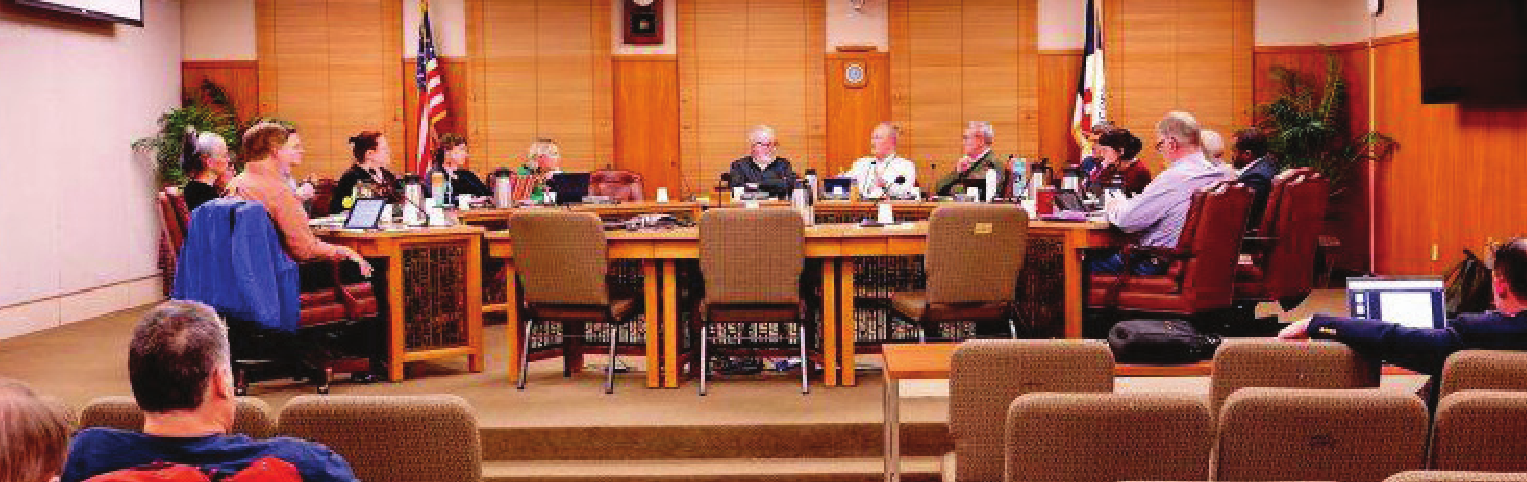
Responsible monetary decisions. Clear and widely disseminated communication with the public, especially on the city’s finances and taxes. Helping people keep their homes and find new ones. Regulatory and cultural changes to make it easier for businesses and development, and investments in the roads, sewers and other infrastructure to support them.
These pursuits are what Concord City Councilors want the city’s focus to be for the next two years. They’re how the council has directed staff to spend time, energy and money and are a yardstick against which constituents can measure the city’s work.
The council makes a list of priorities every other year, at the start of a new term. The city manager’s office then reports quarterly on steps city hall is taking toward them.
In a two-hour workshop Thursday night, the council broadly agreed they wanted a streamlined list of goals, and to point more towards thematic priorities than to create a to-do list — last term’s priorities included specific items like “new police station” and “Class and Compensation study” and outlined a relatively exhaustive list of the projects and initiatives going on in the city.
“Over the last two years, especially in the last year of this cycle, we got into the habit of checking a box on a priority, as opposed to being flexible as to what is coming at us,” said Ward 3 Councilor Jennifer Kretovic. “We’re going to be facing some challenging times, and to just check a box will not be good enough.”
Some things City Hall is always working on, like maintaining the city’s bond rating, becoming more environmentally sustainable and having strong public safety resources. This year, the councilors wanted to pull out areas in need of the most attention.
“I think, you know, if you have more than three priorities, you don’t have any priorities,” said Atlarge Councilor Nathan Fennessy in a push for simplification.
There was consensus that the city’s financial decisions — keeping a sound financial balance sheet while lightening the load of taxpayers — should be at the top of the list.
While the city budget process won’t play out for months, rising health care costs, debt payments on multiple major capital projects from the last few years, and higher annual wage increases for city employees, especially those in public safety, are expected to raise costs. Without strong growth in the tax base, the council could be facing a choice between cutting services and an above-average tax hike. Similar trends are already playing out in the school district.
That dynamic is why Ward 2 councilor Michele Horne suggested that the council choose two straightforward priorities: raising revenue through economic development and reducing spending.
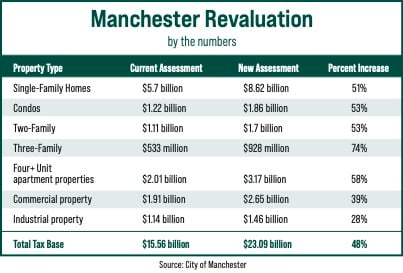
An expected squeeze on renters and homeowners alike this year, especially with the ongoing property revaluation, was why Ward 9 Councilor Kris Schultz pushed for housing stability to be listed as a top issue.
“I think it’s just going to be even harder this time than it has been, maybe ever in my lifetime,” she said. Better outreach with residents about what help is available to them would be paramount.
“It’s great to talk about entrepreneurship, but there’s a whole segment of people that can’t afford to because of student loans and medical bills and child care bills,” Schultz said. “I just feel like there needs to be a bigger exclamation point on connecting on the economic piece.”
Schultz and three other renters on the council — Mark Davie of Ward 4, Aislinn Kalob of Ward 6 and Ali Sekou of Ward 8 — announced the formation of a renters’ caucus on the council to advocate for the strong segment of the city’s population, 43% according to Schultz, who don’t own their residences.
The group proposed that the council look into rent control and greater protections against eviction. The final common priority among the group was the need for economic development — a sense that the city and council need to do more to bring in new construction and business, and to help bolster those already here.
Councilors noted the city’s mixed reputation with developers, turnover in the city planning department over the last five years, the need for interim zoning amendments while a master plan process is ongoing and direct help to existing businesses struggling to transition or find a succession plan.
The goal, as written, is for the city to “remove barriers to commercial and residential development through regulatory and administrative reform,” language suggested directly by the Greater Concord Chamber of Commerce To At-large councilor Amanda Grady Sexton, that goal could be even more explicit.
“What that says to me is that we’re making it clear that the city’s job is to help businesses to comply and to succeed, not to create hurdles for them,” she said. “I’d love to take this a step further and maybe find language that says, ‘our goal as a city is very simple: If you want to open or expand the business, Concord should be the easiest place in New Hampshire to do it: clear rules, fast answers and a city government that sees you as a partner.’” While not included in the priorities list, a handful of issues on the horizon caught the council’s attention.
They suggested the city’s economic development committee perform a survey of local businesses and noted a potentially forthcoming demolition of the blighted Storrs Street parking garage as a revitalization opportunity.
It was another largely smooth meeting between councilors after a tumultuous start to the term in January. The city has offered no update on whether the group will take any acts of censure against Ward 5 Councilor Stacey Brown.
This article is being shared by partners in the Granite State News Collaborative. For more information, visit collaborativenh.org.