What agritourism means for New Hampshire
Agritourism has become an important business option for many farms in New Hampshire and across the country. Exactly what is agritourism?

Kate Korbas, Ed.D
New Hampshire’s workforce is getting older, and the pipeline behind us is narrowing.
As of April 2024, roughly 30% of New Hampshire workers were over 55, and more than 210,000 residents are expected to reach traditional retirement age in the coming decade. As a result, hiring will become more challenging, particularly as the share of children continues to decline unless we grow and retain the next generation of talent.
The good news is that New Hampshire has strong assets to attract and retain a workforce: community vibrancy and a high quality of life, innovative employers and a long tradition of youth skill-development through schools, nonprofits and programs like 4-H.
The opportunity now is to align those strengths into a strategic approach for workforce development: invest earlier, more consistently and collaboratively so young people can see and build a future here.
When we ask business leaders what keeps them up at night, we hear variations of the same themes: hiring, retention and readiness.
Housing affordability and stability have become workforce issues, not just community concerns. An analysis by NH Housing Finance Authority underscores that housing insecurity makes it harder to maintain employment, further challenging retention of a workforce.
Well-being and mental health also matter to workforce participation and performance. The 2023 New Hampshire Youth Risk Behavior Survey (YRBS) showed that about one-third of students said their mental health was “not good” most or all of the time. Mental health struggles often result in capacity constraint of workforce members, demonstrated by absenteeism and disengagement.
“Future visibility” is another overlooked factor. UNH Extension’s Youth Retention Initiative highlights how youth have the perception that future work-life opportunities require leaving the state. The same analysis finds that retention efforts often focus on young adults (20+ year-olds) rather than adolescents, when aspirations are forming.
Caring about these issues is not a social add-on — it is a strategic investment in the present and future workforce. Employers that do not confront these problems face higher turnover, increased recruitment costs and loss of institutional knowledge. Institutions that acknowledge and engage with these challenges are better positioned to retain talent, adapt to change and lead with credibility in a rapidly evolving world.
Start earlier than “entry level.” Offer career exposure as well as experiences in middle and high school such as site visits, guest speakers, project mentorship and paid summer roles that build real skills. High-quality, work-based learning internships, pre-apprenticeships, job shadows and youth apprenticeships help young people build technical skills and professional competencies that employers repeatedly say are in short supply: communication, problem-solving, teamwork and reliability. Youth development research reinforces that, when communities provide meaningful opportunities, supportive relationships and skill-building experiences, young people are more likely to thrive and contribute.
Make work-based learning high-quality. Clear learning goals, trained supervisors, structured feedback and a pathway to the next step (credential, apprenticeship, job offer) are key to developing meaningful work-based experiences for emerging workforce members. The American Apprenticeship Initiative found that many employers earned positive net returns on apprenticeship investments over time. Benefits stem from improved productivity, reduced recruitment expenses, and boosted employment outcomes as employers often retain apprentices they train.
Partner for scale. Collaborate with schools, community colleges, local municipalities and nonprofits to reduce the burden on any one employer. From increasing visibility and access to future workforce members to affordable workforce housing and transportation access, community partners have innovative models for collaboratively addressing issues. Initiatives such as UNH Extension’s Grit to Grow Collaborative provide a network for cross-sector partnerships, resource sharing and enhanced opportunities for engaging tomorrow’s workforce.
Invest in current leaders, not just future ones. Youth respond more positively to learning new skills when adults coach them, not simply manage them. Generational divides between management and the emerging workforce can be difficult if the supervisor training the young person is not equipped with mentoring or coaching skill sets. Professional development on overcoming age gaps will not only produce a stronger workforce but establish a culture where all workers will thrive.
New Hampshire’s future workforce will grow through intentional relationships, meaningful opportunities and a shared commitment to supporting young people as they build their lives here.
Dr. Kate Korbas, UNH Extension program team leader, has worked with youth development for over 25 years, providing leadership within higher education and community-based youth outreach programs.

Agritourism has become an important business option for many farms in New Hampshire and across the country. Exactly what is agritourism?

The Honor Summit, a four-day commemoration of the 25th anniversary of the Sept.11, 2001, terrorist attacks, features dual towers of light designed to be visible from as far as 135 miles away from Mount Washington.
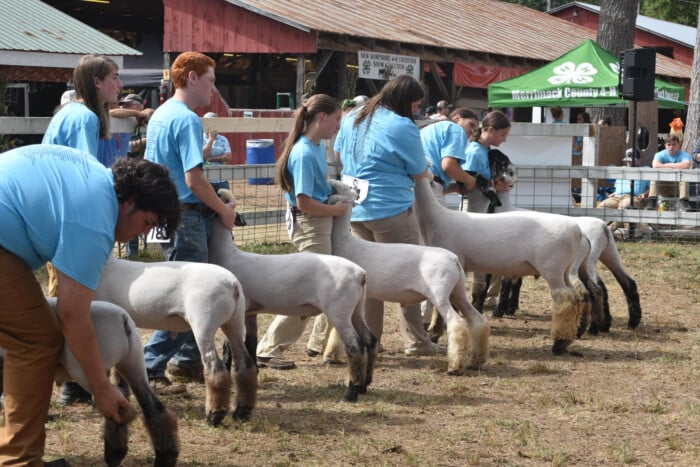
New Hampshire employers are seeking polished professionals with real-life experiences, but they may have to look beyond the traditional recruiting methods to find them. One example of an overlooked workforce development program is the NH 4-H Livestock Auction.
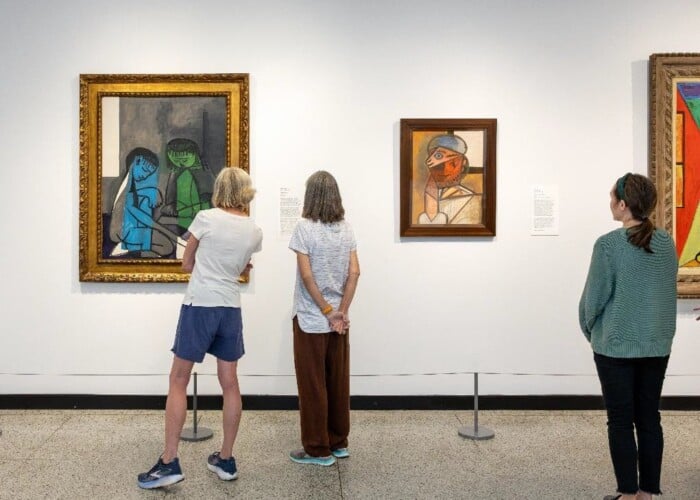
Two paintings by Pablo Picasso made their debut at a public institution this month in New Hampshire. On loan from private collections, “L’Homme au béret basque” and “The Two Children” are now on view at the Currier Museum of Art in Manchester through the end of October.
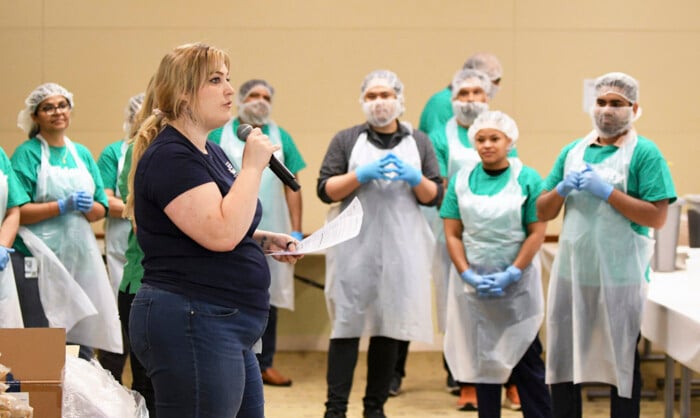
Hybrid and remote work models continue to boom in the Granite State

The Currier Museum of Art is expanding ArtLab, its hands-on, after-school STEAM partnership with Nashua Public Schools, after a pilot year that reached 58 students at four schools and connected classroom learning with art on view at the museum.

When New Hampshire Fisher Cats General Manager Taylor Fisher was hired on Halloween of 2024, his bosses at Diamond Baseball Holdings (DBH) advised him to use his first year on the job to observe and evaluate the organization, and figure out what needed to be tackled.
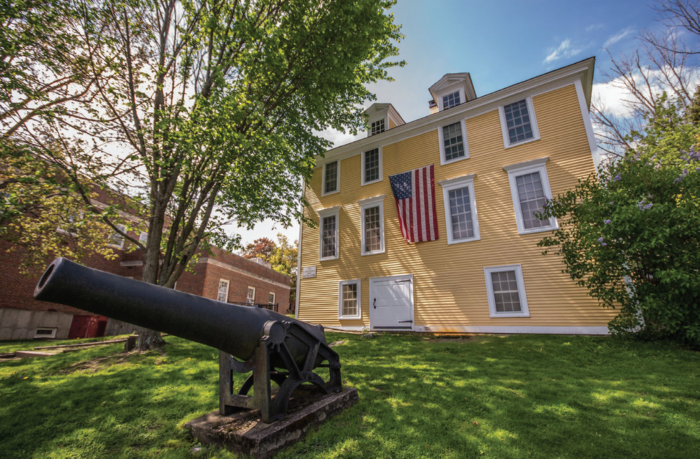
Awards include properties that remain in active use after restoration

Vibrant downtowns are vital to New Hampshire’s economy, helping to attract and retain workers and fuel the cultural experiences that drive tourism. It is typified by a mix…