The New England energy market
Rising demand, transmission constraints, and the push for regional solutions
ENERGY
By: Katherine A. Bourque, Esq.

Winter in New England can be unforgiving. Throughout the bitter cold mornings, seemingly constant snow and early sunsets, we hear the steady hum of heating systems reminding us they are working overtime to keep our homes warm. This extra energy usage that accompanies winter weather increases the cost of heating, which turns these long, cold months into a source of real stress for families and businesses alike.
Research shows that nearly one in three Americans struggle to pay energy bills, a challenge that becomes even more acute during the winter months. We hear from customers every winter who are worried about how they will manage heating costs. Sometimes it’s a fixed income stretched thin. Other times it’s a sudden change in household finances, or simply the rising cost of everyday necessities. Whatever the reason, energy bills can quickly cause financial strain.
We’ve had a colder than average December, which means homes and businesses have been using more energy than they may have typically needed in seasons past to maintain the same temperature. We know many customers keep their thermostats fixed at a reasonable temperature, but colder temperatures require more energy to maintain that comfort. Rising energy bills in winter aren’t often about careless usage, but about the reality of keeping warm in a challenging climate.
Throughout the year, Unitil invests in infrastructure improvements that help make energy reliable and more affordable over the long term. We analyze ways to make prudent, cost-effective investments while balancing affordability for customers. Upgrading equipment, modernizing the grid and enhancing system efficiency not only strengthens service reliability but also lays the foundation for more stable energy bills. Technology is central to these efforts, and we are constantly seeking to develop new tools and insights that can help our customers take control of their energy usage.
This focus on helping customers manage energy costs while maintaining reliable services shapes how Unitil supports customers across Maine, New Hampshire and Massachusetts. Some programs focus on reducing energy use through energy-efficiency programs, which include home energy audits, weatherization and appliance rebates. These proactive, long-term measures help households lower energy consumption and costs over time, even if they don’t immediately shrink winter bills.
Meanwhile, our customer service team works year-round to help local house holds manage energy costs. By offering predictable billing options, flexible payment options and support for energy efficiency, we can reduce financial stress while providing a uniquely tailored solution for any customer. We believe that when households are given clear, practical ways to manage energy, affordability challenges can be mitigated, and we can help create peace of mind for customers, even during times of rising costs.
Other programs provide more immediate assistance. Budget billing helps spread costs evenly throughout the year, reducing seasonal spikes. Income-based discounts, arrearage management and programs like the Low-income Home Energy Assistance Program provide critical relief to qualifying households. Federal funding for these programs is essential, helping families manage bills when winter costs are at their highest.
We also offer individualized solutions because there is no one-size-fits-all approach. Initiatives like the rollout of smart meters in Massachusetts and now New Hampshire will eventually give customers real-time information about their energy use, allowing them to adjust habits and manage costs proactively. In Massachusetts, Unitil now offers a seasonal discounted rate for customers using heat pumps — whether they rent or own their home — which could save households $100 or more per month during peak heating periods. Customers can also explore switching fuel sources, or look into different heating options to determine what works best for their home. These tools give customers control and flexibility to make informed energy decisions.
For customers considering their electric energy supply options, timing matters, especially when it comes to supply rates. Rates are set to change on Feb. 1, making this a time some customers seek more affordable options. A customer considering a return to default service must request this change before the end of their current billing period in order to start on the new fixed rate next month. Customers who enroll after their current billing period ends will be placed on a variable rate that aligns with the month-to-month changes in energy costs. This can mean lower rates in the spring, but higher rates early in the period. We encourage customers to explore all supply options, including third-party suppliers, to find the best option for them.
Navigating these programs can feel overwhelming, especially when you’re already under stress. That’s why we encourage customers not to do it alone. Reaching out to Unitil’s customer service team at 1-877-867-1642 can help identify which options make the most sense for you. To learn more, visit Unitil’s Winter Energy Resources page at unitil.com.
Katherine A. Bourque, Esq., is senior vice president of external affairs and chief customer officer for Unitil.

Rising demand, transmission constraints, and the push for regional solutions
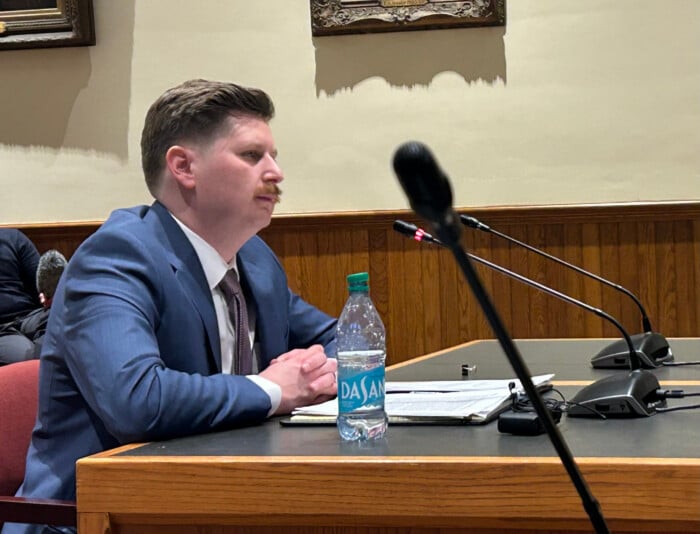
Christopher Ellms Jr. received a 4-1 vote from the executive council on Wednesday, March 4, to become the next chair of the state’s Public Utilities Commission.

Will New Hampshire ever land a massive data center?
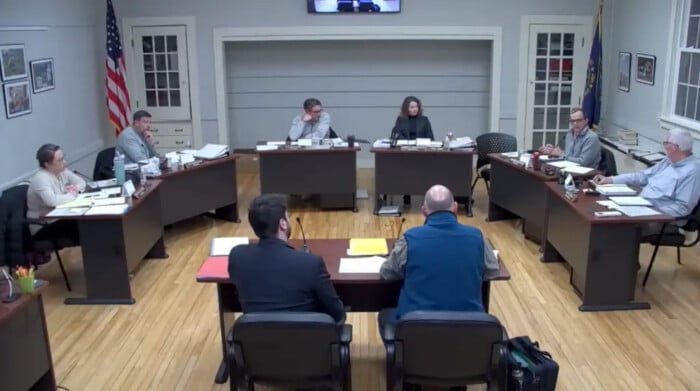
Bow could become the first town to withdraw from the Community Power Coalition of New Hampshire as residents confront high energy costs.
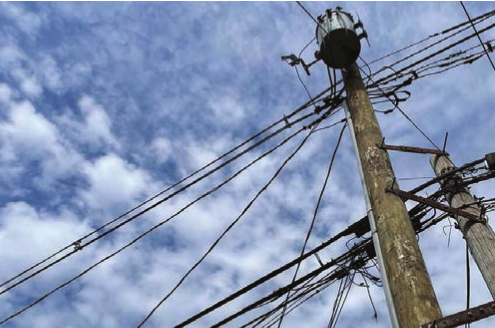
New Hampshire’s energy officials are asking the state’s Supreme Court to review a decision by utility regulators that raised rates for Eversource customers last summer.
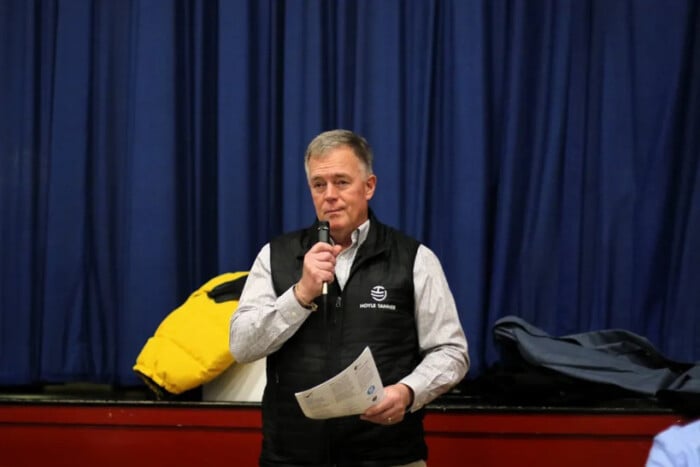
Residents debated a proposed $2.66 million wastewater project during a town deliberative session at Pittsfield MidCadle High School, with discussion focusing on costs, long-term planning and who should pay.

Innovation is promising for builders, loggers and rural communities
For the last several years, housing and commercial development have been under the spotlight in New Hampshire. Building professionals have had to be creative to address challenges in infrastructure, resilience in the face of a changing climate and a focus on sustainable design. Our expert weighs in on engineering innovations and trends.

Dublin is considering whether to join 27 other New Hampshire towns in a statewide Styrofoam recycling program and will host a trial foam collection event on Saturday, Jan. 31, with a snow date of Feb. 7.