State revenue got a helpful one-time shot in the arm. Now what?
Analysts fear that once it’s gone for the remainder of the fiscal year, overall revenue will lag unless other accounts, which have been underperforming to date, pick up the pace
Sections
Extras
Connect With Us
When the pandemic hit and unemployment was at modern-day record highs, the number of bankruptcies in New Hampshire fell to record lows. Now, when unemployment is down and the economy seems to be getting back to normal, so are bankruptcy filings.
There were 94 bankruptcies filings in April, two more than March – the highest number filed since April 2020, when there were 99.
After last April, bankruptcies fell steadily, reaching the low point of 54 un January. Since then, the number has started to climb. But it is still at historic lows.
Year-to-date, the monthly average is 75. In 2020, it was 88. In 2010, in the midst of the Great Recession, bankruptcies averaged 459 a month.
There were four filings with business-related debt In April, compared to eight in March, but only one business filed directly, as opposed to four in March. It was:
Analysts fear that once it’s gone for the remainder of the fiscal year, overall revenue will lag unless other accounts, which have been underperforming to date, pick up the pace
Manchester Mayor Jay Ruais delivered his State of the City on Tuesday, Feb. 10, framing a path to the city’s future through the lens of history. His speech, at times rapid-fire and metrics-driven and at others raised to the passionate, oratorial tone of a secular civic sermon, addressed a standing-room-only crowd of business and civic leaders at the New Hampshire Institute of Politics at St. Anselm College.
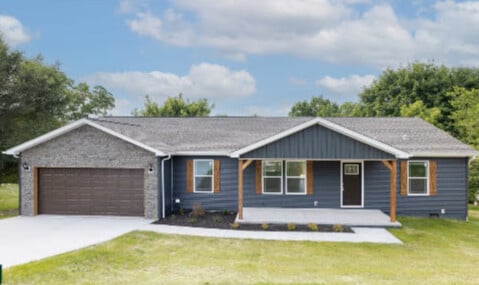
The issue here in New Hampshire remains as it has been for many months: lack of supply that forces the hand of higher prices
According to housing advocate groups, the champions program is doing exactly what it set out to do: reward communities that are taking steps to build more housing
NH Tech Alliance task force maps AI in New Hampshire
There are no magic wands in tax disputes, but the current New Hampshire Department of Revenue Administration (DRA) tax amnesty program is about as close as it gets.
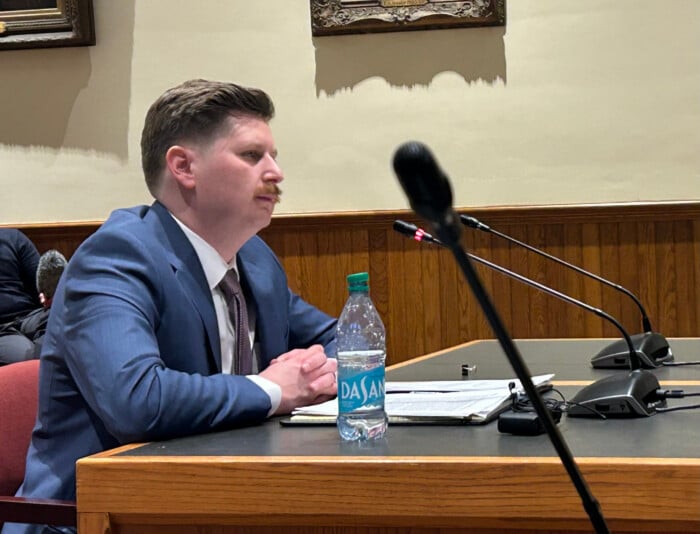
The state Senate Finance Committee voted along party lines January 13 against a bill that would give Nashua $20 million to purchase the former site of Daniel Webster College. Four Republicans voted in favor and two Democrats against.
Legislature also wrestles with the Business and Enterprise Tax, which has a direct effect on state revenues, and as it looks at how Meals and Rental Tax revenue is distributed and whether there should be an additional “Pillow Tax” on rentals
A state-run program that encourages communities to add much needed housing in New Hampshire, already defunded in the current budget, is on the precipice of disappearing altogether. The House Committee on Housing voted 10-8 on Jan. 20 to repeal the so-called Housing Champions program administered by the NH Department of Business and Economic Affairs.